Perspective of Celebration

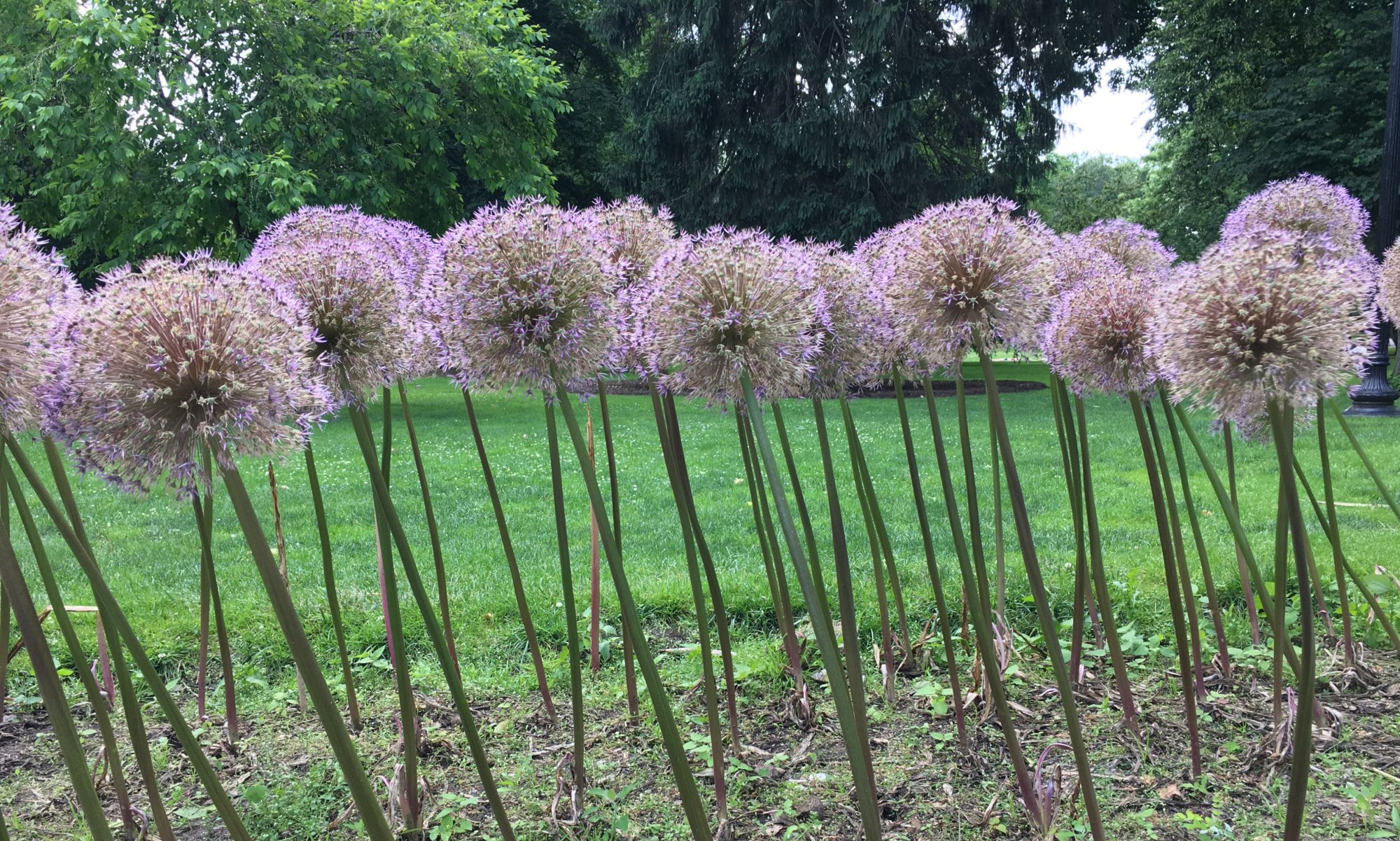
My one flowering plant that I’ve had since last February is budding (miraculous that it’s still alive to begin with, because I have killed every other indoor plant I’ve owned!). I see shoots popping out of the earth along my neighborhood walkways. I hear birds chirping in more cheerful and distinctive melodies. Spring has recently come to be my favorite season because of its beautiful, far-reaching reminder of renewed life. I’ll take almost any excuse to celebrate and get my mind on something positive. My birthday is in February, which I like to celebrate all month long. Taking on a spirit of celebration really helps me work out my case of the winter funk.

Expected Celebration

The oldest book of the Bible, Job, mentions that Job’s children celebrated their birthdays with a feast: “His sons used to hold feasts in their homes on their birthdays, and they would invite their three sisters to eat and drink with them” (Job 1:4). In ancient culture, many other times of celebration were marked by feasts as well (eg: Numbers 10:10). Feasts often involved rejoicing, rest, and joy (eg: Esther 9).   

To me, birthdays are the easiest time to celebrate life in the current, Western world I live in. It’s somewhat expected that birthdays are something to celebrate, even as an adult. Every year around my birthday I take some time to marvel at the fact that I’m still alive. I mean that in all seriousness. I stop to appreciate the hardships I’ve endured and the times I wanted to give up. It helps me to practice this grateful posture to God for my life. I also go through this same process for the birthdays of people close to me. It’s especially easy and expected to celebrate when our life circumstances have improved from what they once were.  

Soon after one of their feasts, Job’s children were killed. When Job heard this news, he mourned, to be sure; yet he didn’t cease to rejoice in the Lord. Instead, “he fell to the ground in worship and said: ‘Naked I came from my mother’s womb, and naked I will depart. The Lord gave and the Lord has taken away; may the name of the Lord be praised.’ In all this, Job did not sin by charging God with wrongdoing.” (Job 1:20-22). What an amazing response to devastating news! 

Unexpected Celebration

It’s easy to celebrate and rejoice in God when we focus on the blessings in life–health, a place to live, food to eat, a job, a family, good friends, etc. But to rejoice in the face of death, suffering, and heartache? What a feat it is to put deep pain aside and rejoice in God’s presence and faithfulness to us, as Job did. This is not a natural human response, it takes some intention and some serious reliance on the Goodness of God. This difficult task is in fact a command:

Rejoice in the Lord always. I will say it again: Rejoice! Let your gentleness be evident to all. The Lord is near. Do not be anxious about anything, but in every situation, by prayer and petition, with thanksgiving, present your requests to God. And the peace of God, which transcends all understanding, will guard your hearts and your minds in Christ Jesus.” (Philippians 4:4-7).  

In every situation. Even to the point of loneliness, lack of love, false accusations. Even to the point of losing our reputation. Even to the point of loved ones being killed. Rejoice. This takes strength that only God can give us. Humans are easily broken down. Our human nature is weak in resolve and fickle in loyalty. But God’s strength is steadfast; leaning on Him, we can endure suffering and still rejoice in the face of it.  

In the few times I have been able to rejoice in the midst of pain, I do remember feeling immediately put at ease. It was like the “peace of God, which transcends all understanding” had come and put thick earmuffs on me while a piercing siren was roaring in my ears. I could still hear the siren, but the sound no longer had all of my attention. God’s mercy and nearness had more of it. It might feel odd or nonsensical, but rejoicing while in pain can make all the difference. Obedience to God is always rewarded. 

Suffering and Death 

Looking at the story of suffering Jesus went through in the Gospels, He still had hope even on the cross. Through all the mocking and abuse He endured, He never ceased to honor the relationship He had with the Father. Though He asked for the burden of death and suffering on the cross to be taken from Him, He still had deep joy going through with it because He was doing the Father’s will. Like Job, Jesus also gives us the example of rejoicing in the Lord, no matter the circumstance. 

Rejoicing and celebration can be a sign of faith. Faith that God is there, that He is working when we can’t see, gives us cause to celebrate, no matter what we are going through. 

I’ve been reading about Abraham and Sarah this week. When the presence of God visits their tent, God responds to Sarah’s disbelief in His words that she will have a son in her old age (around 90). Her womb was as good as dead in her eyes. She laughs at God’s words, but He asks, “Is anything too hard for the Lord?” (Genesis 18:14). 

God brings life even when we only see death 

We must have faith that winter will turn into spring. That life will be renewed. Friends, we cannot allow our hope to die. If you’re longing for faith but can’t find it right now, know that God can help you as you are; don’t give up hope. If you’re longing for God’s presence but feel nothing, know that God is already there with you; don’t give up hope. If you’re longing for love, know that God already loves you more than you can imagine; don’t give up hope. You can be open to receive His love when you are ready, and He is patient with your process. 

God has given us every reason to rejoice, to celebrate, to be full of joy regardless of our circumstances. At all times. In every situation. He is the life-giver; that’s just what He does and who He is. If your hopes have died, if your heart has stopped loving, if your needs aren’t being met, know that Jesus is the restorer of life. He has met your every need already. He has done the work, so that all we need to do is celebrate. 

Celebration Eternal

Even if winter never ends, and if we don’t see the sun shining again, we have no excuse! Yes, the things around us often affect our mood in the moment, but we must not let that change our eternal perspective on what matters most. No, celebration when things are going wrong doesn’t make sense. But God asks us to rejoice always. His ways don’t make “sense” or go along with our feelings all the time. Our faith in Him is all He asks of us, and that involves rejoicing because of who He is.    

The day is coming when God will dwell with us in the new earth. We will be eternal with Him, and will glorify Him in all we do. We won’t need to guess or mess up at it anymore. We will rejoice and celebrate and be glad, with no more tears. When we can celebrate on this earth in this life, we can enter into that eternity now. When Jesus came, heaven broke into earth and God’s presence is still here and available to us now because of Jesus through the Holy Spirit. In times of celebration, we can both live in and get a glimpse of the eternity God is preparing for us. Let’s not miss the chance we have to celebrate here and now!

May we celebrate the life found only in Jesus, on our birthdays, and every day we have His breath in our lungs. 

Consider it pure joy, my brothers and sisters, whenever you face trials of many kinds, because you know that the testing of your faith produces perseverance. Let perseverance finish its work so that you may be mature and complete, not lacking anything” (James 1:2-4).

Let us rejoice and be glad and give him glory! For the wedding of the Lamb has come, and his bride has made herself ready” (Revelation 19:7).

Dealing with Pride

what I want to do I do not do, but what I hate I do” (Romans 7:15). Recently I found myself in a situation where I chose to sin. Of course, this was just one of the many times this has happened. Willfully sinning is really confusing, and more people need to talk about this; it messes with any feelings of pride in myself.    

When I don’t feel right with myself, it’s difficult to keep hold of what’s true. My mind starts to crowd with these lies of how God is disappointed in me, is distant from me, and wants nothing to do with me anymore. How maybe my identity in Him was all just something I made up in my mind. This is really not okay. 

In the midst of this pride-shattering moment, it became quite impossible for me to imagine that He could love me in spite of sin, and yet He does. In fact, He does just the same as if I had never sinned even once. Amazing grace, indeed. So amazing, in fact, that it can be difficult to accept at all.  

Pride

I, like pretty much everybody, sinned against God simply because I wanted to do what I wanted to do. The sin of pride is and can be a wake-up call to look at and watch more carefully what goes on in our hearts and souls. My conscience was firing, my soul needed to get right with God again, and I had to confess my sin. I needed to repent all over again. After wrestling with the fact that I had followed sin instead of God, I realized that I was getting too comfortable. In my pride, my thought was actually that I was close to being past willful sin; but the Bible says that “no one may boast before Him” (1 Corinthians 1:29). 

Even after I repented, I felt it wasn’t enough. I was still upset with myself. God had forgiven me, but I hadn’t been able to forgive myself. Friends, that is pride in a sneaky form. Instead of fully accepting God’s love and forgiveness, I was trying to shoulder the burden of sin myself. In withholding forgiveness for ourselves like I did, we actually think there’s something more we can do to make up for it. In not surrendering fully to God’s forgiveness, we try to take this sin of ours into our own hands. This is pride. 

This is a complicated subject, so don’t mistake my meaning; what we do in our lives–does matter. Sin matters. One of the fruits of the Spirit is love. Jesus said, “By this everyone will know that you are my disciples, if you love one another” (John 13:35). We are certainly meant to live in a way that follows the Way of Jesus, who was sinless. In James, actions are called “works”: “You see that a person is justified by works and not by faith alone” (James 2:24). Faith comes first, for actions flow from faith–the fruit of our lives, but what we do and what we choose, matters. However, nothing we do can make up for our sin.    

Sin 

Jesus paid it all for us. It is prideful to try to make up for it in any other way besides how He calls us to–to leave our life of sin. 

Willful sins torture the conscience of those committed to the Way of Jesus. They still can creep up on us, as we are still here on the fallen earth. We still are made of dust. We have one foot here and one readied for the age to come. We have been set free from sin by Jesus, but at any moment we can choose to step outside God’s will to do our own will and sin against Him. 

Sometimes the only way to know what sin is, is because of what the Bible says. My own thoughts and feelings change constantly. My moral compass was shattered at the Fall. It’s hard to know the Truth about many things, and it can appear as though every person has their own version of truth. But actually this cultural catchphrase “live your truth” or “follow your truth” is saying that everyone has their own beliefs about what the truth is. Beliefs do not change the Truth.  

Of course, what we believe is important; for more on that see my post How Belief is Our Most Powerful Tool. But I am saying that believing something doesn’t make it so. 

Hope for self-hate

I debated whether to mention self-hate, but just like willful sin, I feel that it needs to be addressed if we’re talking about a life lived in freedom. Self hate; that point at which I mess up and I’m just disgusted with myself and how miserably I failed to fear God…yep, that was my week. Self-hate is a very real thing and I wanted to share that I experience this because I don’t think I’m the only one. I’m here to say that there is still hope, even in a place of self-hate.

Yes, we sin. But that just gives us another opportunity to talk to God. Another reason to repent, to put our faith in God all over again, and process what went wrong with Him. To let Him make something good grow in us that maybe wasn’t developed yet. Or even to weed out something that no longer needs to be there. He gives us all fresh opportunities to work through our sins with Him, confess them, and let them go thanks to Jesus’ sacrifice. Praise God that “his mercies never come to an end; they are new every morning…” (Lamentations 3:22-23). Yes, you will sin, but there is always mercy available to you in Christ Jesus our King. There is hope because “a person is not justified by works of the law but through faith in Jesus Christ” (Galatians 2:16). Sin no longer has the last word over us, because Christ made a way.  

Where our hearts lie can be seen through the fruit of our lives, but there is nothing you can do to separate you from the love of God (Romans 38:38-39). He longs to be chosen by us. He longs to be allowed into our hearts. He makes all things new (Revelation 12:5). Even sin. Even self-hate. Even the pride we struggle to let go of. 

Humility

God is working on my ego in this, my latest particular experience with sin. Ironically, this is actually something I asked Him to do; I prayed that I wanted my ego to be eliminated, kaput, bye-bye. Be careful what you pray for! I believe that my failed test is helping my prayer to be answered. This experience exposed my pride and revealed beyond a doubt that I am no better than anyone else. That it’s all Him, it’s none of me. No amount of hard work, self-determination, sense of righteousness, or even how close I “felt” to God lately makes me a good person in the slightest. Only God is Good (Mark 10:18; Luke 18:19). None of that stuff can save me or you from sin. Only Jesus can do that, so that no one may boast. Only Jesus. 

Thanks be to God.

If I must boast, I will boast of the things that show my weakness (2 Corinthians 11:30).

May I never boast except in the cross of our Lord Jesus Christ, through which the world has been crucified to me, and I to the world (Galatians 6:14). 

Royal Identity

Happy 2020! I’m so excited to finally dive into the topic of identity. Understanding my identity and identity as God defines it changed everything for me in 2015. Identity was the key to regaining faith in God after I had lost every last drop of it. I used to define myself in all kinds of ways–by how good I was at my job, how I saw myself, how others saw me, what I knew and the kinds of questions I asked, the places I’d been . . . you get the idea. I’d also “try on” new identities when I found them to see if they’d fit. Nothing ever satisfied for long. It wasn’t until I realized I didn’t actually understand God or who He really is or the truth about why He made humans to begin with. Once I discovered that for myself in my own time, my identity became much more clear. Did you know that royalty is in our blood? (Genesis 1:26, 1:28). I certainly didn’t. But it’s True!

God made humans to rule the Earth. 

We all have a deep-seated desire to rule, to bring order, to make something out of the world and our place in it. That’s not by accident. In John Mark Comer’s book Garden City, he unpacks this idea that we were always meant to reign, to work, make culture, build cities, and help people and animals thrive. We are actually designed as rulers of the Earth–we are kings and queens by birth. 

We were never meant to die or leave this Earth but instead to rule it, reign over it, and enjoy it. Comer writes that it’s in our blood to desire greatness, because that’s who we really are. We descend from kings and queens, and we are designed to be kings and queens. How often do we live like we believe that?

You don’t have to strive to become somebody because you already ARE somebody. 

Awareness of my sin blinded me to this identity for myself, and sometimes still does. I used to believe that if God was real, He had made me a sinner. From a very young age I recognized the pain I caused to myself and others and resented it and myself for it. In other words, I believed it was God’s fault that I was born “bad,” so why would I want to try to be anything better than I was? Shouldn’t I just embrace who I am, push others to do the same, and leave it at that? After all, that’s what Western culture fights for and tells us we should fight for too. Why would I want or need forgiveness from God like Christianity teaches if I couldn’t help but to be “bad” in the first place? Seemed pretty unfair to me. How could a good God send anyone to hell if He set us up to fail by making us sinful? But that’s a lie I believed. The truth is that God made us to rule

Discovering and knowing that God didn’t set us up to fail was everything for me. 

I knew there was a disconnect in holding this belief but no answers made sense to me for years. Eventually I asked the question, “Do I really know who God is?” The answer was a resounding no. Instead of a God of mixed and confusing messages, I slowly came to know God as the Creator of a beautiful Earth and the Creator of humans to rule over it, take care of it, and thrive. I came to know God as a loving, holy Father who always intended the best for us, and who created us good, in His Good image, to represent Him on Earth. I came to know God as the good, loving, merciful, faithful, sacrificial, kind, and patient God He is. Understanding Him not as the condemner to hell but as the Savior of souls that have wandered away from God’s design, longing for rest and peace. Instead of focusing on what confusion my pain caused, my thinking started to transform when focusing on the loving heart of God and His original intentions for us. 

Knowing God’s love, all the pain, sin, and shame of my past just doesn’t matter anymore.

I mean, it still really sucks that we can’t rule as God originally designed. While royalty is in our DNA, sin crept into our hearts at the Fall and has been around ever since. In other words, we messed up our chance to rule the world as our natures predispose us to do. Instead, we were given a second chance by God in the form of a choice. That’s where the best news comes in.  God allows us to choose whether or not to submit to His authority to get back to His design. Jesus, God in the flesh, took on our sin by His amazing grace and He now rules the Earth in our place, because we could not. Now, we must let God take care of the world. We can no longer rule the Earth on our own because sin entered into the world and our egos twisted the desire to rule for common good into the desire to rule for personal glory. But we may reign with Jesus over the Earth for all eternity as God’s design intended. All He asks is to trust in Him. 

The end of the story is hopeful! Nothing could ever stop God’s design, it will come about regardless of human decisions. But God gives us the chance to reenter His design through believing in Jesus’ sacrifice covering the debt of sin we are responsible for. God in the flesh, Jesus, came to save our souls from separation from God. He fulfilled the human’s purpose to rule the world where Adam and Eve could not rule. 

We are kings and queens because the King of all made it so. Not because of anything we’ve done, not because we deserved it, but because of the grace of the one True King. 

Sometimes it takes hitting a low point like I did to realize there’s more to life than being born, working, maybe marrying or procreating, and definitely dying. There’s not only pain. Love is here. No amount of sin could wipe it out. Love is the reason you are here, and God doesn’t leave you alone in the mess of pain and suffering. He loved us so much He was willing to do anything to get us out of the mess and cycle of destruction we inherited from our ancestors, the human kings and queens of old. He doesn’t just show us kindness once in a while, when things in life seem to be going well, He doesn’t only think about us when we think about Him or pray to Him. He is kind and good to us all the time. He thinks about us always, wanting the best for us. Jesus provided the Way for us to get out of the mess of sin that distracts, destroys, and deceives us and allows us to live in the peace and joy of knowing Him and following His Way, his plan for your identity. 

We were not made to suffer and die. We were made to rule. 

You have purpose. You have value. You ARE somebody. You are precious, valued, and loved beyond what you or I or any human being can comprehend. 

The King of kings has given us an identity, a name, a purpose that no doubt or sin can ever erase. 

May we live as the kings and queens God made us to be, now and for eternity. 

Further suggested reading: Garden City by John Mark Comer

The Spiritual Disciplines: Prayer Part I

Prayer can sometimes be easy, but for me it’s incredibly difficult at times too. Jesus commanded us to pray (Matthew 5:44, 26:41). He even tells us how to pray (Matthew 6:6-7, 6:9), yet it can still elude us. Distractions of all kinds can so easily get in the way of communicating with God and truly acknowledging His presence. For me it usually takes intention and wholehearted attention to pray, which our fast-paced and often hurried culture does not easily accommodate in our schedules. Prayer is counter-cultural.

I find it fascinating how Jesus completely changed the way prayer was seen and practiced in the culture. He made it go from being something only done in the temple to actually making it go mobile with every believer. This shift happened so long ago in such a different culture that it’s easy to take it for granted, but keeping this in mind has been very helpful to me in thinking about prayer lately. Let’s dive into prayer a bit further, shall we?  

Struggling with Prayer 

For several years of my adult life, I couldn’t pray. Praying was something I had done ever since I can remember growing up. I would pray almost every night and found the prayers prayed in church such as the Lord’s Prayer and the Apostle’s Creed beautiful and meaningful at a young age. Fast forward and I began following my own way, without consulting the Lord much beyond asking, “please help this thing I want to happen work out.” When I got around to praying, the only way I can describe the experience is that my prayers “bounced back.” Like sending an undeliverable email. My words went nowhere and seemed ridiculous as they reverberated back to me. Looking back now, I realize my heart wasn’t in those prayers because I didn’t trust God and wasn’t interested in learning His will. I only thought about my own. At the time though I just didn’t understand; God should hear my prayers no matter what, right?

Digging a bit further in the Bible, I’m not the only one who has felt like their prayers weren’t heard. David wrote, “...my prayers returned to me unanswered…” (Psalm 35:13). Sounds very familiar. But instead of pressing in and seeking God out, I walked away. I stopped trying to pray altogether. I hadn’t embraced the Spirit or the Truth (John 4:23) that is essential for aligning with His will, and again all I was really doing was asking for my own will to work out. I got so far down my own path that it took awhile for me to become open to being found by Him again after getting away from the Truth. When I finally realized I was surrounded by His kindness and mercy, that He never had and never will give up on me, I was simply in awe.  Suddenly, I really, REALLY wanted to talk to God. I became keenly curious about my problems with prayer and started to seek answers.

A Brief History of Prayer 

I’ve freshly rediscovered that prayer used to be associated with a physical location in Jewish culture. The temple in Jerusalem was thought to be the only proper place to pray because it housed the presence of God. Think about that for just a moment: there was a time when people had to travel to a specific place to talk to God! How much worse would traffic be today, am I right? Jesus ushered in a new age of prayer by sending the Holy Spirit to us. The temple of God no longer confined to a physical place, He now dwells within every believer. Jesus gave us the ability to pray from anywhere. We ourselves collectively embody the temple of God, and can now pray anywhere we go, for the Holy Spirit goes with us! 

When Jesus spoke with a Samaritan woman at Jacob’s well, He explained this, “...a time is coming when you will worship the Father neither on this mountain nor in Jerusalem” (John 4:21). Jesus told her about the change in our human interaction with God to be brought about by the Holy Spirit, “the true worshipers will worship the Father in the Spirit and in truth, for they are the kind of worshipers the Father seeks. God is spirit, and his worshipers must worship in the Spirit and in truth” (John 4:23b-24). 

I believe this is the key to the prayer woes I described. I crowded the Holy Spirit out, so how could I be “in the Spirit?” I didn’t trust Him because I didn’t know Him well enough. I didn’t understand the nature of or the history of humanity’s connection to God. And consequently, I didn’t know the Truth about who Jesus is. But God didn’t give up on me, and if you feel this way today, know He hasn’t given up on you either. He can lead us out of the worst despair and into a new place cognitively and emotionally where we can trust Him. Transformation and renewal is possible (Romans 12:2). I know this because prayer miraculously was restored to me, along with many other gifts; joy, hope, peace, and trust, when I fully accepted Jesus.

Paul worked to knit the knowledge of the Holy Spirit into the early church. He spent time writing about the Holy Spirit’s role in the new temple of God within each believer, “Consequently, you are no longer foreigners and strangers, but fellow citizens with God’s people and also members of his household, built on the foundation of the apostles and prophets, with Christ Jesus himself as the chief cornerstone. In him the whole building is joined together and rises to become a holy temple in the Lord. And in him you too are being built together to become a dwelling in which God lives by his Spirit” (Ephesians 2:19-21). I find this a beautiful way to paint the church which has been helpful to hold onto in prayer.

Make no mistake, prayer is not always easy for me, even still. I must constantly remind myself of the Truth, and still constantly remind myself of why I trust Him. Reading Scripture that speaks of His character, reading His promises, reminding myself of who He is and the restoration He continually brings as we walk with Him helps strengthen my desire to pray. Again, it takes intention to connect with the One who loves unconditionally. Reminding ourselves of the depth of His love and grace, even while still sinners (Romans 5:8), makes prayer a natural response to this love. Remembering the Truth, and seeing it fresh every day is the tough part. Friends, if you struggle with prayer I encourage you to seek the Spirit and the Truth. It was key for me in finding a prayer life that was more meaningful, powerful, and God-centered instead of me-centered. May we all be restored and refreshed in prayer as we run and endure this race of life. 

Jesus prayed for us 

We can easily rush past this, but our Bibles actually say that Jesus prayed for us. Not only that, He is still currently praying for us! Jesus prayed for every believer while He was living on the earth, “‘My prayer is not for them alone. I pray also for those who will believe in me through their message” (John 17:20). That’s us, the ones who will believe. And our Bibles also say that in heaven, even today, Jesus continually intercedes for us in prayer, “Who then is the one who condemns? No one. Christ Jesus who died—more than that, who was raised to life—is at the right hand of God and is also interceding for us” (Romans 8:34). How humbling that Jesus is praying for us! What a beautiful promise this is, His love and saving work extending on, far beyond just His time on earth. May we be encouraged to follow Jesus’ example and pray for each other in love. 

For my readers who made it this far and so kindly read my posts, know that I am praying for you. Please send me an email if you have specific prayer requests; I’d love to pray for you. 

Don’t you know that you yourselves are God’s temple and that God’s Spirit dwells in your midst? If anyone destroys God’s temple, God will destroy that person; for God’s temple is sacred, and you together are that temple (1 Corinthians 3:16-17). 

The Joy of Dance

I remember having to sit through my younger sister’s dance recital rehearsal while trying to do math problems. At age 11, anything girly made me roll my eyes. However, out of the 50 or 60 dances, one ballet dance in particular caught my attention even among the racy jazz numbers and the snappy tappers. I found myself being drawn in by the teen ballet set to Tchaikovky’s Waltz of the Flowers

It carried me off into another world where everything seemed better.

The dancers looked genuinely happy. The number was synchronized, artistic, and when I finally saw the dress rehearsal, the white costumes with pink sashes and pink flowers made it all just too beautiful to deny. If this was what dancing could look like, I finally understood why people wanted to do it. “If only I could do that,” I thought. Could I? I wrestled for a few weeks, and then decided. I almost surprised myself when I told my mom I wanted to begin ballet lessons.  

I held tight to the dream of being able to dance like the girls in Waltz of the Flowers, to move with grace. The first year or two of classes revealed my deep love of dance; I danced every chance I could. But when I started competing, I lost sight of why I loved dance in the first place. At competitions, dance was instead about external validation. The hope dance had given me for a better more beautiful world took a backseat until there wasn’t much joy in dance for me anymore; after three years I resigned from the dance team. I couldn’t quite bear to stop dancing altogether though.

Nine years after I quit competing, I did stop altogether. At 25, I simply couldn’t dance. Not because I physically couldn’t. Any doctor would have said I was physically capable. But spiritually, I had nothing left. Without being aware or intentional about my relationship with God, I hadn’t been following Him. I had been consistently careless with my heart and mind, and that summer it caught up with me like a ton of bricks. That’ll slow anyone down real quick.

I had lost all sight of the Lord.

It happened so gradually that it was hard to notice. By the time I did notice, I had stopped even trying to pray. I wasn’t following God’s commands, which provide joy. “The precepts of the Lord are right, giving joy to the heart” (Psalm 19:8). My joy had run out, and I felt it. All of a sudden, everything about my life seemed wrong. I had a vague awareness that I had lost something like innocence but at the time I was blind to the Truth of God. I sought the world’s rational, scholarly answers for why this was happening to me. But nothing satisfied. The truth was, my heart hadn’t received true joy, the joy that comes only from God’s grace and love, for quite some time. What I didn’t know then is that joy is a gift I couldn’t work to give myself. 

Joy is a gift from God. 

It took years for me to make sense of it. All I knew at the time was that I had completely lost strength, mentally and spiritually. I didn’t think that had anything to do with God. Even the thought of attending a dance class right across the street, as I had been, was exhausting. I don’t even remember having hope to dance again. Scripture says, “...Do not grieve, for the joy of the Lord is your strength” (Nehemiah 8:10). However, I was grieving and weak. I was in pain and didn’t know how to escape it. I didn’t know how to come back to God even if I wanted to (I didn’t, and I blamed Him for how I felt). “Joy is gone from our hearts; our dancing has turned to mourning” (Lamentations 5:15). My dancing had indeed turned to mourning; I was lucky just to get out of bed. Having joy was only a distant memory. 

I had no reason to dance anymore.

Thankfully, God is a merciful God. He never stops loving us and He is always waiting for us to repent. He welcomes us back to Him with open arms when we do. He delights in lavishing His gifts upon His children, and by His amazing grace, He restored my joy that was lost. It took years, but eventually I was ready to accept the Truth. In one of my darkest moments, I focused on Truth instead of my own pain, and let go of blaming God. I repented of my sin. Suddenly, I was filled with joy, and I praise God that joy has not left me since. 

About a year later, I slowly started dancing again, taking one class here and another there. I wanted to savor the process this time and to go at my own pace. I was not disappointed. I found that once again, as when I first began to dance, I could express freedom in the movement. I became sensitive again to the beauty and grace of dance that I had fallen in love with at age 11. Dance is an expression of the heart and a wonderful way to express joy. 

Two years ago, I took an opportunity to perform in a ballet. Though I doubt anyone knew it but God, I wanted to perform again as a testament to how far He’s taken me. From the depths of despair to the stage, He stayed with me through it all. 

To express the joy that He restored to me through dance was a gift.

Now I’m in a season of being stirred to dance the way David danced before the Lord, “Wearing a linen ephod, David was dancing before the Lord with all his might,” (2 Samuel 6:14). This year, I’ve had the opportunity to choreograph for a performance. By God’s grace I was inspired with joyful steps and free, expansive movement. I could not have set that kind of piece without the joy of the Lord. This was just a few weeks ago.

Joy is so powerful it often elicits a physical response. Other responses to joy found in the Bible include shouting (Leviticus 9:24), eating (1 Chronicles 29:22), and singing (Psalm 95:1). There are many outward expressions of joy to the Lord; my favorite, as you may have guessed by now, is dancing. 

If I ever doubt that God has restored me and delivered me from sin, I remember how, not so many years ago, I couldn’t even dance one step under the heaviness of darkness. There’s no denying its contrast with the joy that now flows from my spirit, particularly through dance. God worked the miracle of joy in my life. Dance symbolizes my journey of being brought from death to life. And so, I will dance on. 

You turned my wailing into dancing; you removed my sackcloth and clothed me with joy,” (Psalm 30:11).  

The Spiritual Disciplines: Sacred Reading

I’ve been wanting to get deeper in knowing and understanding God a lot more lately. The more I have learned the last few years, the more I want to learn. But, at the same time I can feel myself getting more and more addicted to my phone, my computer, and my TV. The tension can get maddening. Only when I choose to run to the Lord and shut out everything else do I find real rest from the constant barrage of noise. Making that decision and connecting with Him is not always easy though. Sometimes we may need a little help. 

I want to spend some time talking about the spiritual disciplines on this blog, meaning the practices that Christians have used for hundreds and hundreds of years to help them connect more deeply with God, His Word, and with themselves. I know, “disciplines” can sound boring and dull–they certainly did to me until I finally gave them a chance. I had to get fed up first. At some point I got fed up by this surface-deep world full of distractions, ever-ready to destroy deep connection and intimacy. Just one look at divorce rates and loneliness studies speak to lack of intimacy, the byproduct of our human brokenness. With everything around me pulling me away from intimacy with God, I suspect I’m not the only one who longs for depth of connection to God’s love and presence with us. We need connection, we were made for it, for Him. Now, I’m not saying I am great at spiritual disciplines by any means, because I’m definitely not. I’d still consider myself a beginner, but I want to share a few things that particularly help me tune out the noise and connect with God in hopes that maybe they could help you as well wherever you are in your spiritual journey, whether you’re a beginner to knowing Jesus or a lifelong follower of Jesus.  

The first time I learned about sacred reading, or lectio divina, was several years ago. It sounded way too fancy and complicated to me. But the more I learned, the more intrigued I was. The way I understand it now is a structured way to meditate on one passage of Scripture at a time. It’s a way we can converse with God through His Words in Scripture, as they command us to “Fix these words of mine in your hearts and minds…” (Deuteronomy 11:18). Sacred reading provides those who practice it with structured time and space to allow a passage to sink into our minds and hearts, allowing God room there to speak to us through the passage. Stick with me. It’s really not as mystical as it may sound.

The hardest part for me is starting. 

For me, it’s most helpful to start without any distractions. This is the part that is usually the hardest, because I have a tendency toward racing thoughts and, like many of us, an addiction to content like online videos and podcasts that I am constantly (and oftentimes poorly) managing. But, if I can get past the hurdles of a distracted mind, the rest of the process of sacred reading is incredibly helpful, convicting, humbling, and restorative in fresh and unexpected ways every time. 

God’s Word truly continues to speak to us, sometimes we just need some help. 

That’s where spiritual disciplines come in. Last year, I kept up the discipline for several months, but eventually it faded out of my daily routine. Since then I’ve started and stopped again over and over, but recently I’ve started back up full force, trying to practice daily and trying not to judge myself about missing a day here and there and just keep going. The important thing is showing up as often as we possibly can. 

Even if we’re distracted, even if we’re tired, even if we’re depressed–even there–God sees us and loves us right where we are.  

The practice of sacred reading can also be very powerful in a group setting, but most often I delve into the Word by myself. I’ll give you a picture of what it looks like to try this ancient, sacred practice that’s really quite simple. When I start, I pray first. I check in with God and tell Him what I’m feeling. Then I thank Him for His love and devote my time in the practice to Him. I pray for focus, wisdom, discernment, and an open mind and heart to what He is speaking to me. I ask Him to reveal the true meaning of the passage to me, and to show me what my responsibility is upon receiving His Word. Then, I will choose a passage of Scripture that I want to read. It could be one verse or several, but before I begin I usually will make sure it’s something I won’t mind reading more than once. Sometimes I don’t skim through it first and just start reading where I feel prompted to read; wisdom and truth can come from reading any passage in the Word. 

Then I’ll read the passage through completely, once or twice, slowly. Then I’ll pause and jot down any notes of things I noticed, have questions about, or want to remember for the next pass. Then I’ll read it again even more slowly, taking notice of individual words, sometimes looking up different translations to gain more context for meaning, and I’ll take time to reflect on what I’m thinking, feeling, or sensing with my pen hovering over paper. I’ll write everything down about what I think a verse means, whether I think it’s “right” or not, just to get all my thoughts out. Then I’ll start responding to God, asking Him if I’m on the right track, and telling Him what Scripture has spoken to me. I’m a writer, and a visual learner, so I’m usually writing this prayer out. I end with thanks to Him for His Word, for interacting with me through it. Though it doesn’t happen as often as I’d like, ideally after that I’ll try to take a moment to be still, not saying anything, just resting in God’s presence. 

Friends, this is one of my absolute favorite ways to connect with God. My brain is so used to study and research, to structure, to thinking through everything, that the structure of lectio divina is enough to keep my brain occupied while my heart has time to commune with Jesus. It’s a wonderful balanced practice in that way, and I hope you are encouraged to give it a try! 

When your words came, I ate them; they were my joy and my heart’s delight, for I bear your name, Lord God Almighty” (Jeremiah 15:16). 

For anyone who has been confused when they hear things like “talk with God” or “connect with God,” I understand. I totally was too. I was like, “Uh…you sound completely crazy, way too woo-woo spiritual, no way I’m even touching that,” only to go along with life and still feel disconnected from God and not know what to do about it. By showing you the process of sacred reading, a long-practiced discipline in Christianity, I hope it’s become a little less weird and a little more accessible to you. It’s another way to build your relationship with Jesus, to seek Jesus. This is just one way to get started. There are many spiritual practices and not everyone will connect with this one. That’s okay. I wanted to share it because it’s been exceptionally helpful to me and my relationship with Jesus. If sacred reading just isn’t your favorite, in the coming weeks I plan to share other spiritual disciplines as well. 

Don’t wait, start connecting with Jesus today, in whatever way you can! Coming to Him doesn’t have to be done any certain way or be prescribed by any person or any particular spiritual discipline. The important part is coming to Him. 

Then he taught me, and he said to me, ‘Take hold of my words with all your heart; keep my commands, and you will live’” (Proverbs 4:4).

Ireland: Part I

Have you ever traveled to a new place that felt like you were coming home for the first time in your life? That was Ireland to me. I always get nostalgic for Ireland in September; this year marks 7 years since the September I entered my first international terminal. I took this trip alone. I was 24 and I needed to get away. I needed a fresh start. I needed to find out who I was away from everyone I knew. 

To Ireland, alone?

It all started several months before the trip, when I got a very clear, strong nudge, that I could only conclude was God’s nudge, to go to Ireland. The idea to go to a place I didn’t know alone was kind of crazy to me and my logical mind, but this nudge in my heart told me that doing this was the right choice. From that point on, I felt a strange peace about it. I did the unthinkable, and bought my plane ticket without a plan, “Who even am I?” I thought at the time. But there was a huge grin on my face. 

When the time came to board my plane, I had my nightly stops planned out, but enough room to wander if I wanted. This was not a jam-packed trip, as those tourist-filled trips tended to make me anxious; instead each stop was intentional, deliberate, and without rush. Perfect. I needed to slow down and take unhurried time to figure out what God had for me in Ireland. I didn’t know anything about it other than a few of my aunt’s stories from her trip years before, but all of her stories sounded like exactly what I needed–greenery, kind people, and a simple love for the earth and for life itself. I hoped her stories would be true for me too. 

On the plane I marveled at how calm I was. I was sitting next to strangers, many of them Irish, bolting through the air across the Atlantic Ocean all night long toward Shannon International Airport. Once I arrived, I would have no way to contact anyone I knew, and they wouldn’t be able to contact me, until I got a little Irish prepaid phone for emergencies. I planned to post Facebook updates and update my travel blog when I could find an internet cafe or library so that my family knew I wasn’t dead. But I was okay with all of that. What a delicious new freedom it was to have so little safety net! I had to rely on God to take care of me and keep me from harm. I was so happy, despite the jet-lag, when I arrived early in the Irish morning. It was sunny.

Limerick

At my hotel in Limerick, the man behind the bar who served me coffee said that it had rained quite solidly with no sun in months, the wettest summer they’d had in 50 years, and that it must have had something to do with me. I knew he was teasing, but something about it struck me. To me, it was a sign that God was taking care of me here already. Even tottering around on the brick walkways in town jet-lagged, I didn’t fall, twist an ankle, or get mugged (which I later learned was a real possibility in that part of town).

Before I headed to my next stop, I needed to charge my camera because I planned to take copious amounts of pictures of everything, but the electric converter I had brought from home didn’t work. So, I set out again in seedy Limerick to find a converter. The first place I went I met Marcus, a Chilean man with an Irish accent. He was one of the first angels God sent to take care of me, even though he didn’t have any converters to sell me. Instead, he told me exactly where to go to find one, and warned me to be careful in there. Once I left, I knew what he meant, but I got what I needed and went back to show him. He made sure that it worked for me and sent me off. The kindness of people in Ireland just astounded me. I wouldn’t be as trusting of anyone in the US, but everyone I encountered truly was kind. What a gift!

Limerick was the very first place I went in my trip, and the most developed, but it held one of the most beautiful spots. I wandered onto the greenest church grounds you’ve ever seen at St. Mary’s cathedral in the evening, right before it closed. I only had time to peek inside for a moment. The stained glass, curved ceiling, and gold chandeliers made quite an impression on me. I thought quite a bit about God and what His role was in my life during this trip and in general. But He met me in the garden at St. Mary’s. I lingered on the church grounds after the doors closed. The gardens were quiet, lined with stone, and alive. The atmosphere tingled with life and the wisdom of a long history. Then I saw it. There was a quote on the wall that said, “One never feels closer to God’s heart than when in a garden.” 

Walking with God in the garden

It wasn’t just another quote, this one was different. In the spiritual sense, these words shimmered and danced. They struck me as if God was speaking these words directly to me. I paused there a while. I knew God wanted me close. He invited me to get to know His heart, and here in this moment He knew I was ready to hear that invitation. He invites you to the same, but in your own time. He will invite us all in His way that uniquely stirs our heart to find His. This experience established the Ireland trip in my mind as walking on holy ground with God. He would be teaching me as we walked. 

I later came to treasure Genesis 3:8-9, because it speaks of the holy ground I was actually on walking in the little Irish garden. “Then the man and his wife heard the sound of the Lord God as he was walking in the garden in the cool of the day, and they hid from the Lord God among the trees of the garden. But the Lord God called to the man, ‘Where are you?’” (Genesis 3:8-9). This passage makes me ache knowing the longing in God’s heart. He longs to enjoy the garden with us. He wants to walk with us as we walk, to see our delight in being where we are, living the life He gave us. How often do I truly remember that His intention was always to walk alongside us? How often do I invite Him along for my walk? Finally, how often do I feel too “busy” to spend time with God in the first place?

There is something about travel that heightens awareness, that allows us to tap into something that we have numbed ourselves to in our everyday surroundings. Back then during the trip, I wrote in my journal, “I think travel is and will continue to be a great opportunity to seek God, finding Him and His love everywhere, in everything, no matter what country I happen to be in.” In Ireland, I was so nimbly able to see God’s love working. The spiritual experience that travel can be is truly amazing and worthwhile. Getting out of my comfort zone and trusting God with the trip is one of my favorite memories. I would encourage anyone to go to a country of great natural beauty and take unhurried time to talk to God and marvel at His incredible creation. 

This past spring, I was fortunate enough to go on a silent retreat to be alone with God. For the first time since that day in Ireland, I felt that same invitation from God as I was walking in the woods past the green leaves of the trees. Suddenly, I knew I was walking with God here. That wood became sacred ground. And this time, I cried tears of joy.  

Facing Memories

There’s nothing quite like going through old memories. Have you ever opened an old trunk in your attic or gone through a closet that doesn’t get much use and find things that used to be so important to you but you’d forgotten all about them? My project this week was to go through my childhood room at my parents’ house. I haven’t lived there for about 7 years, and the room is now needed for purposes other than holding the odds and ends I’ve left behind. I had tried to look through some of it over the years, but each time I never got very far. This time, as I sat on the floor, the books, flash drives, CDs, clothes, jewelry, tickets from shows, even my preschool graduation certificate (which I have no memory of ever seeing before), brought up memories that weren’t always happy or easy. In those 3 or 4 hours of sorting, I held each bit of paper, each book–each memory–and really looked at it. When holding some of the items no memories came up, but with the majority, a memory association came right along with it. And there were hundreds of items!

It think the reason why it took me 7 years to sort through my room was simple: I didn’t want to face the past. For so long, I didn’t feel emotionally ready for what I’d find. While I did not have a bad childhood, I shy away from the memories of it. I don’t remember the details of what was said or what was happening externally nearly as much as what I was feeling or thinking about a situation internally. 

As a child I knew that most people didn’t understand and didn’t go through the emotional heaviness I did all the time, and I thought they were SO lucky (and sometimes still do). How horrible I thought it was to care about everything! If you know the enneagram of personality, I tend toward type 4, and often filter memories through my emotions. For me, it is a serious emotional drain to bring any memory to mind at all, happy or sad. I tend to get either very melancholy or very sentimental. 

I think the hardest part about looking back on the past is remembering those specific instances of being so wrapped up in the emotional high or low of the moment that I often didn’t reach out beyond that to seek God. I was selfish with my emotional experiences and often didn’t let God, or other people, into them. Let’s just say a lot of bad poetry was written.  

Where was God?

I can point to a handful of moments where I absolutely can say, “God was speaking to me,” but it’s sad to me that my memories primarily hold the turmoil I went through. I simply didn’t know how to deal with it or let anyone in to help. I tried to just deal with interior struggles on my own. When it got very bad, I do recall praying for God’s help. Until I got older and started having doubts, I knew for sure He heard me. And now again as an adult, I know He heard me and He hears you as well. He is compassionate and forgiving no matter the messes we’ve made or find ourselves in. I do wish now that I had invited God along for the whole range of emotions back then instead of waiting for disaster, but it’s not worth dwelling on those sort of thoughts for too long, friends. All we can ever do is the next thing, right now. We can be so thankful knowing now that:

Our past may shape our habits and even our attitudes, but it does not define us. 

Thankfully, I am not defined by my past turmoil and missteps, and neither are you. In God’s mercy and grace, He makes us new. We can rest assured knowing that, while our past is still part of our story and need not be forgotten, it does not have to dictate our present, or our story’s ending. Colossians 3:15 says, you were called to peace. He asks us to put on love (v. 14) for He dearly love[d] us (v. 12). We have the ability to choose peace and love right now, no matter what our past looks like. 

So, as I sat among the scraps of my past, and the memories came, I didn’t get overwhelmed to the point of stopping and closing the door behind me this time. I hung on to these Biblical truths and chose to press on and press through the mess. 

Uniquely You.

It is only when we face the truth about ourselves and our past that we can move forward, grow, and eventually, find peace with ourselves. It is only when we stop beating ourselves down for the difficult things we deal with that we can honor what’s unique about who we are and what we are–beautiful creations of God. Whatever our particular struggles are, God made a way for each one of us to be made new through Jesus; He gives us the chance to have eternal life with Him, where the struggle of our old patterns and cycles of sin is over. Therefore, if anyone is in Christ, the new creation has come: The old has gone, the new is here! (2 Corinthians 5:17). 

However, I found myself needing to repent, as I remembered and condemned the lost and broken girl I was, the one who messed up that relationship there, and said or chose the wrong thing over there. By condemning my past self, I had condemned my current self, for we are not to judge anyone, even ourselves. All those terrible things I’m thinking about myself, although maybe it’s not hurting anyone, it’s dishonoring one of God’s children. I had to ask God’s forgiveness for thinking so poorly of myself, because He didn’t think that about me. I’m not getting away with the sin of hurting someone, even if that person is myself. Nothing in all creation is hidden from God’s sight. Everything is uncovered and laid bare before the eyes of him to whom we must give account. (Hebrews 4:13). We must remember to honor God by honoring ourselves, who He made uniquely and in His very image. 

Gifts from God.

I know now that the very things I always tried to ignore, my emotions, were actually my superpower all along. I was designed to be able withstand heavy emotional situations–grief, despair, anguish, heartache–I’m intimately familiar with them all because I seemed to experience them every single day. Thankfully that is no longer the case…more like every other day. Now I can help people who are going through these emotions. That’s the superpower gift God gave to me. For that, I am deeply thankful. 

Wading through the wreckage of my past this week in my old room, with memory after memory washing over me was difficult, but no longer impossible. I share this to give you hope if you also avoid situations that bring back traumatic memories. It is possible to heal. God has made a way. I found cards from family members that have passed away. I found cards that I wrote to people but never sent. I found photographs of me with people I am no longer in touch with, and books I felt were closer than friends that I would read over and over. But I was comforted by the fact that these draining or painful memories had faded, and would fade again, because now Jesus is my light. He is the light in my heart. He is the reason I can dance with joy again. I will perpetuate your memory through all generations; therefore the nations will praise you for ever and ever. (Psalm 45:17). Through all of time as we know it, His memory lives on. 

How Volunteering with Teens Changed My Life

I remember the day my younger sister brought up the idea of volunteering to me. She had been leading a small group of teen girls at her church for months, and one day, out of nowhere, suggested that I try it too. I had only been attending her church’s services for about a month, and only started following Jesus about six months before that. I imagine I quickly developed a skeptical, almost angry look on my face, the one that I’ve seen on my mom’s face a million times when something doesn’t fit her plans. I don’t remember what I said exactly, but I remember feeling completely blindsided. Why would anyone ever want me to work with teens, especially as someone just starting to rediscover faith? And I’m so socially awkward! I never got along with teens, or understood them even when I was one. Honestly, I avoided them as much as possible, especially after high school. 

“Do they know I’m not like you?” I asked my sister. Abby is bubbly, outgoing, friendly, and cheerful. I was anything but. If she was in, I must certainly be out. That’s why her suggestion to be a leader confused me. Who in their right mind would want me to do what she does? If I tried, I would surely be found out as the damaged person I am and I could already see the awkward scene. The youth ministry staff would come up to me after observing my reticism and say, “Sorry Amy, you’re just not what we had in mind for this after all.” Why would I put myself in that position if I already knew the ending? I shared all these fears with Abby. She knows me better than most people, but she didn’t agree. 

All she said was, “Just think about it. You could just try it out.” Her optimism astounded me. It also gave me a tiny bit of hope. If she thought I could do it, knowing all my issues, then maybe I could. But man, was I unqualified. 

I thought about it a lot and prayed, “God, this is so not my thing,” and, “Can you believe this?” The nudge in my spirit to “just try it” never went away. The nudge grew into a knowing that I needed to say yes. A few weeks later, in November 2016, I decided to go. Just to feel it out. Just to observe. Just to try it.

God has something in mind for us. But first, He asks for our yes. 

I was still very new at learning how to know God’s will and tell it apart from my own. To this day, asking me to say yes to youth group is one of the clearest nudges I’ve gotten from God. I did not want to say yes but I knew, strangely without a doubt, that He wanted me to. So, I did. 

The first day was not clear like the nudge had been. It was overwhelming and loud and I don’t think I said more than a few words to any of the teens. However, the small group discussion I shadowed made me appreciate Abby’s role all the more. She led in a relatable way and was able to bring the discussion back around to the sermon topic when it veered off. I watched in awe. How was I ever going to do that? These girls talked to Abby like they were her best friends, but they barely even looked in my direction. The flashbacks to high school were strong. I wrestled with God later that night, “Is this really where you want me?” I wondered if I could be genuine with these strange earthlings called teenagers who just by their presence brought every bit of adolescent insecurity I had stuffed down over the years right back up to the surface. Sharing my experiences with them, or anyone, was a struggle. The nudge didn’t fade. So, I went again the next week. 

God blesses our obedience.

Right around that time, I read Matthew 18:1-7, in which Jesus uses a child as an example for His disciples to follow as a lesson in humility. His words in this passage spoke to me of starting over, becoming simple like a child again, and repenting of my pride. I knew I was making youth group way too complicated and difficult. I would have to lean entirely on God’s strength if I was going to do this. Nothing about volunteering at youth group were strengths of mine: talking to teens, speaking in front of a group and keeping their attention, understanding Scripture enough to teach about it, and giving advice when I barely knew how to say hello. I was being called to an environment where I had no internal strengths to fall back on, and I could only lean on His. 

In our weakness, God is strong.

Now looking back, I believe He wanted me to learn what that feels like. I had been going on my own strength for so long, getting by on my own limited understanding of what I could and couldn’t do. God invited me to take a rest, a real one. Being strong is exhausting, and it isn’t necessary to be strong all the time because He is strong for us. In my journal, after several months of showing up at youth group, slowly getting to know the teens and slowly letting them know me, I wrote, “I want to be generous, but maybe I’m not. I want to be kind, maybe I’m not, I want to be loving, but maybe I’m just not. But maybe that’s the point. Maybe God actually is made perfect in my weakness, and I could only be generous, kind, and loving because of God–and I’d be made fully aware of it.”  

I did not think that teens were wise at all until I listened to their questions in small group. Gen Z is a lot wiser than I originally gave them credit for. They ask incredibly complex questions about life, keeping me and my co-leaders seeking answers in the Bible. 

The teens and the leaders grew and learned together.

As leaders we weren’t only giving to and serving them, but they were giving so much back to us. We admitted that we don’t have all the answers, but promised to seek the Truth from the Bible along with them. We offered to always help them research their questions, but admitted that we wouldn’t always know the answers. 

The teens pushed us to be smarter, to know the Bible better, and to show more grace. They saw things in fresh ways that we didn’t. They challenged us and still loved us after a sometimes-heated discussion was over. Watching and participating in this week after week showed me what the love of the church looks like. Now, I see teens as some of the most accepting, welcoming, and loving people I know. They are truly the ones who welcomed me back into the church family. Given all my teen-related baggage, I’d call that a miracle. 

If teens were my greeters at the front doors of the church, the other youth leaders were my brothers and sisters sitting next to me in the pews. They accepted and loved me as I was from the very beginning, no questions asked. Every week, they wanted to hear how I really was. They listened when I needed to vent. They never preached at me, they prayed for me, and they encouraged me. I never, not even once, felt a hint of judgment from any of them. Their humility and servant hearts astounded me. 

I was nervous when Abby stepped down a few months in that I would have a harder time fitting in with everyone, but they always made me feel like one of them, even though I felt so painfully different. Their faith and love for Jesus and people inspire me and push me forward. Their lack of judgment eventually helped push me enough to volunteer to give a message, after two years of serving alongside them. I stood on the auditorium stage under bright lights in front of hundreds of eyes, quite a long way from that first awkward day where I had no confidence. The very thing I was so scared of, talking to teens and speaking in front of a group–and here I was, willingly doing both! Jesus’ unconditional love reached right through everyone at youth group towards me. His love, the love of the teens, and the love of the leaders changed everything for me. The love I found at youth group gave me hope for the local church. It gave me a new family and the confidence to be vulnerable.  

A farewell

I am so incredibly grateful for the opportunity the youth ministry gave me to learn and grow alongside teens. God knew what He was doing, inviting me to lean only on His strength. I couldn’t do anything but let God lead my words and actions and not to force my way ahead without Him, every single time. 

Today is my last day at youth group as a leader. What an amazing journey it has been, I have learned so much! Just shy of three years, my time is now up. God has more lessons and plans for me in this new season. I am very sad that my youth ministry chapter is ending, but I also know it’s the right thing. I am forever grateful to God and to the youth ministry staff for giving me the privilege of serving with them. 

To God be all the glory. 

Trust in the Lord with all your heart and lean not on your own understanding; in all your ways submit to him, and he will make your paths straight. -Proverbs 3:5-6

Don’t let anyone look down on you because you are young, but set an example for the believers in speech, in conduct, in love, in faith and in purity. -Timothy 4:12

10 Ways to Help Someone Struggling with Faith

I have shared how to handle being the one struggling with faith in my post, “What To Do When You Struggle with Faith.” In this post, I’ll be sharing ways that we can help someone who is going through this transformative and very painful process. I certainly don’t claim that these ten “dos and don’ts” will apply to everyone, but these include some helpful things people said or did for me. I also include a few things that now looking back on my experience are things I would have felt supported and loved by. People that are going through this process have a hard road, and they need the people who love them and who they trust to be there for them. It isn’t easy to do, and it can be easy to misstep. There is extra grace required (EGR) for people in this plight. Here are some ways we can try to do that for the amazing, brave, and growing truth-seekers in our lives!

1. Love first.

We’ve probably heard it more times than we can count, “love one another,” perhaps from John 13 or Romans 13, but what does it look like to love someone who is questioning everything, who is finding their way, and probably takes everything you say at arm’s length because that’s just where they are? It looks like honoring their process. It looks like showing an attitude of humility instead of judgment. It looks like being present with them in their pain, even if it’s only for just a moment. Loving them means letting them know they’re not alone to deal with the weight of the world, because that’s what it can feel like.  

What Not To Do: The Don’ts to Avoid

2. Do not give any advice or your opinions (unless asked). 

For crying out loud, do not suggest that they “just get out more” and “have more fun.” Believe me, they’ve thought of that and they’d probably love to do that if they could. There is no way someone can just forget about everything they are struggling with because their very way of being in the world is hanging in the balance. Even just walking out the door can present too many decisions to make without a solid framework. For me, I was concerned about hurting other people in the process. I was concerned about misleading them into thinking I was a certain way when really I was just acting like I thought I should act; I wasn’t being myself. Not only does advising or suggesting anything (before you’ve really, thoroughly heard them out) come across as dismissive of their feelings and the vulnerability they’ve shared with you, but this is also a clear sign that you haven’t really had compassion for their situation. Show compassion at all times for their struggle, even if it’s never been your own, and you can’t go too wrong. 

3. Recognize that while “It’s going to be okay,” might be a great catch-all phrase to say in many other situations where someone is struggling, this might not be the one in which to use it. This is probably not going to be a comforting or helpful thing to say here. There is a difference though between saying it after you’ve explained Biblical Truth to them in a way that encourages them and offers the hope and love of Jesus, and saying it after they’ve expressed their broken heart to you. If the latter, steer clear of this overused, one-size-fits-all phrase. It can easily sound dismissive to the vulnerable ears of someone in the form of an existential crisis. Though you might be trying to love and encourage them by saying this, it actually might be hurtful to them. 

4. Do not make light of the struggle they’ve shared with you. 

If you are privileged enough to have someone share their faith struggle with you, congratulations. You are (most likely) a safe person to them; this is a privilege. Take that seriously. If you don’t know something that they want to know, don’t pretend you do. Be honest and let them know you’ll look into it for them, and actually follow up on it. Don’t make light of something you don’t understand in this scenario because what you say will probably be taken seriously in some aspect. Don’t derail what they are probably inwardly exhausted by from the process of sharing with you. Keep an attitude that honors the weight of the person’s soul struggle. Honor their process, and feel honored that they are even willing to be around you when all they probably want to do is go be alone. 

5. Do not hide or downplay your own faith. 

Strong faith is encouraging to anyone seeking it. It is rare to find great faith. When I did, I was fascinated by it, astounded, even. I wanted to understand it, I wanted to understand how people could be so sure of anything. Just because someone else isn’t sure about their own faith doesn’t mean you have to hide your own to try to relate to them. Faith is a beautiful, powerful thing that can bring hope and light to someone’s feeling of hopelessness. If the opportunity comes, share your testimony with them. Share why you have hope and faith in Jesus. Don’t preach at them, but do share your story. Your story when told in a loving way can go way farther than the reaches of an internet article on faith or an inspirational quote. Let them know their pain is valid. Let them know how courageous they are to ask challenging questions about life in order to discover the truth. It may be the inspiration they need to keep going.

What To Do: The Dos

6. Listen to them.

Though someone might share something very real and personal with us about their faith, that doesn’t always mean they feel heard by us in turn. To really listen to someone is actually an incredibly rare skill that requires wisdom and practice. Cultivate the practice of really listening when someone shares something with you. Do you pay attention in a way that they feel heard and seen, or are you listening so that, in the next breath, you can feel heard and seen in your response? There is a big difference. Have the people who have opened up to you come back to you again to open up? If not, that might be a sign that your listening skills might not be ready yet for this job. Be more intentional about the art of listening to people’s hearts. Someone who needs support in their faith journey, if you’ve read this far, needs someone like you.  

7. Offer Truth if welcomed and if so, always speak the Truth in love.

Going back a bit to #3, Biblical Truth is the only sustaining anchor in a swirl like this one of faith. If you have the opportunity to speak Truth into the confusion, and love into the heartbreak, of this person, this is the most healing salve there is. Be sensitive to where this person is before you share. Are they in a pragmatic, logical frame of mind or a seeking, desiring to learn and understand frame of mind? Are they stoic and unexpressive, or are they fed up, frustrated, or sad? These things can serve as vital signs that can indicate what they are open to hearing. Always speak in love, but if you’re seeing their desire to learn and understand or if they’re showing emotional readiness for change, speak that Truth! 

8. Offer to be there for them (if you actually can/will be), and be supportive of their growth process.

Do not offer to be there for someone if you can’t. Just please don’t ever do that. This goes for any situation, really. It can be extra tough not to if you’re feeling a sense of obligation or guilt or pity in the moment, but in the long run it’s better if you’re honest. But if you can be there, if you can hang in there with the person, Lord bless you. Check on them every week or two and ask how they are physically (are they sleeping? eating?) and emotionally (are they feeling numb? shame? frustration?)*. Ask what faith-related or spiritual life questions they have been preoccupied with lately (because there’s always something). Just taking an interest is huge; it can be such a shameful thing to struggle with faith, so to bring that shame to light by allowing them to share it openly in this way with you may be a crucial part of shedding the burden. It’s also part of the growth process to dip one’s toes in the realm of being out in the world again. If they ask you to go with them to an event or any place where other people are around, try to help them feel welcomed there even if they are withdrawn. The fact that they are even there is most likely a huge step for them. Telling someone, “I believe you can do it!” can go a long, long way.  

*For anyone who is dealing with serious emotional problems, these questions should be handled by a mental health professional.

9. Pray.

It is important to remember to give the situation to God and recognize that ultimately that person and their heart is in His hands. Pray that they would grow in their faith journey. Pray that they would be able to come to a place of rest and healing in Jesus. Pray for yourself to be able to help them in the ways you can and to speak and show love to them. Pray that you would have the same compassion for them as God has, asking to see the person with His eyes.  

10. Show grace

It is so important to reflect the grace of God back to someone who either feels they’ve fallen from it or maybe never knew what grace was to begin with. Grace is getting what we don’t deserve, it’s unjust in the most beautiful way. It’s undeserved kindness, “…God’s kindness is intended to lead you to repentance” (Romans 2:4). God has been radically, astoundingly, magnificently kind to me, and to you. If we can show God’s grace to people who are suffering, we can offer the Truth and the hope that they are not lost. That they are not too far gone. That there is grace and peace in Jesus. If we can do that, we may even be privy to witness the beauty of a heart transformed.  

Further suggested reading: What To Do When You Struggle with Faith

A new command I give you: Love one another. As I have loved you, so you must love one another.” -John 13:34

Let no debt remain outstanding, except the continuing debt to love one another…” -Romans 13:8