Perspective of Celebration

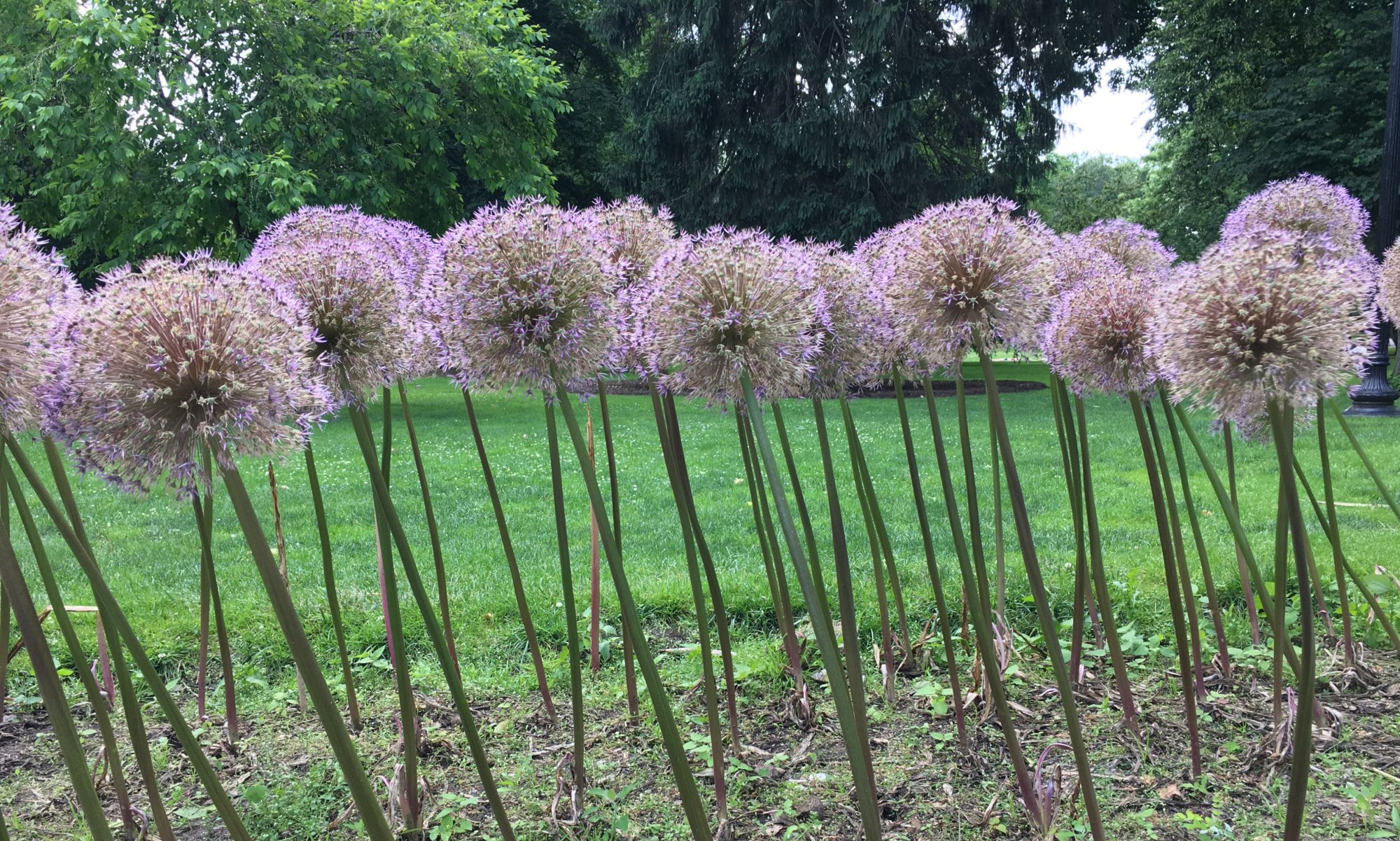
My one flowering plant that I’ve had since last February is budding (miraculous that it’s still alive to begin with, because I have killed every other indoor plant I’ve owned!). I see shoots popping out of the earth along my neighborhood walkways. I hear birds chirping in more cheerful and distinctive melodies. Spring has recently come to be my favorite season because of its beautiful, far-reaching reminder of renewed life. I’ll take almost any excuse to celebrate and get my mind on something positive. My birthday is in February, which I like to celebrate all month long. Taking on a spirit of celebration really helps me work out my case of the winter funk.

Expected Celebration

The oldest book of the Bible, Job, mentions that Job’s children celebrated their birthdays with a feast: “His sons used to hold feasts in their homes on their birthdays, and they would invite their three sisters to eat and drink with them” (Job 1:4). In ancient culture, many other times of celebration were marked by feasts as well (eg: Numbers 10:10). Feasts often involved rejoicing, rest, and joy (eg: Esther 9).   

To me, birthdays are the easiest time to celebrate life in the current, Western world I live in. It’s somewhat expected that birthdays are something to celebrate, even as an adult. Every year around my birthday I take some time to marvel at the fact that I’m still alive. I mean that in all seriousness. I stop to appreciate the hardships I’ve endured and the times I wanted to give up. It helps me to practice this grateful posture to God for my life. I also go through this same process for the birthdays of people close to me. It’s especially easy and expected to celebrate when our life circumstances have improved from what they once were.  

Soon after one of their feasts, Job’s children were killed. When Job heard this news, he mourned, to be sure; yet he didn’t cease to rejoice in the Lord. Instead, “he fell to the ground in worship and said: ‘Naked I came from my mother’s womb, and naked I will depart. The Lord gave and the Lord has taken away; may the name of the Lord be praised.’ In all this, Job did not sin by charging God with wrongdoing.” (Job 1:20-22). What an amazing response to devastating news! 

Unexpected Celebration

It’s easy to celebrate and rejoice in God when we focus on the blessings in life–health, a place to live, food to eat, a job, a family, good friends, etc. But to rejoice in the face of death, suffering, and heartache? What a feat it is to put deep pain aside and rejoice in God’s presence and faithfulness to us, as Job did. This is not a natural human response, it takes some intention and some serious reliance on the Goodness of God. This difficult task is in fact a command:

Rejoice in the Lord always. I will say it again: Rejoice! Let your gentleness be evident to all. The Lord is near. Do not be anxious about anything, but in every situation, by prayer and petition, with thanksgiving, present your requests to God. And the peace of God, which transcends all understanding, will guard your hearts and your minds in Christ Jesus.” (Philippians 4:4-7).  

In every situation. Even to the point of loneliness, lack of love, false accusations. Even to the point of losing our reputation. Even to the point of loved ones being killed. Rejoice. This takes strength that only God can give us. Humans are easily broken down. Our human nature is weak in resolve and fickle in loyalty. But God’s strength is steadfast; leaning on Him, we can endure suffering and still rejoice in the face of it.  

In the few times I have been able to rejoice in the midst of pain, I do remember feeling immediately put at ease. It was like the “peace of God, which transcends all understanding” had come and put thick earmuffs on me while a piercing siren was roaring in my ears. I could still hear the siren, but the sound no longer had all of my attention. God’s mercy and nearness had more of it. It might feel odd or nonsensical, but rejoicing while in pain can make all the difference. Obedience to God is always rewarded. 

Suffering and Death 

Looking at the story of suffering Jesus went through in the Gospels, He still had hope even on the cross. Through all the mocking and abuse He endured, He never ceased to honor the relationship He had with the Father. Though He asked for the burden of death and suffering on the cross to be taken from Him, He still had deep joy going through with it because He was doing the Father’s will. Like Job, Jesus also gives us the example of rejoicing in the Lord, no matter the circumstance. 

Rejoicing and celebration can be a sign of faith. Faith that God is there, that He is working when we can’t see, gives us cause to celebrate, no matter what we are going through. 

I’ve been reading about Abraham and Sarah this week. When the presence of God visits their tent, God responds to Sarah’s disbelief in His words that she will have a son in her old age (around 90). Her womb was as good as dead in her eyes. She laughs at God’s words, but He asks, “Is anything too hard for the Lord?” (Genesis 18:14). 

God brings life even when we only see death 

We must have faith that winter will turn into spring. That life will be renewed. Friends, we cannot allow our hope to die. If you’re longing for faith but can’t find it right now, know that God can help you as you are; don’t give up hope. If you’re longing for God’s presence but feel nothing, know that God is already there with you; don’t give up hope. If you’re longing for love, know that God already loves you more than you can imagine; don’t give up hope. You can be open to receive His love when you are ready, and He is patient with your process. 

God has given us every reason to rejoice, to celebrate, to be full of joy regardless of our circumstances. At all times. In every situation. He is the life-giver; that’s just what He does and who He is. If your hopes have died, if your heart has stopped loving, if your needs aren’t being met, know that Jesus is the restorer of life. He has met your every need already. He has done the work, so that all we need to do is celebrate. 

Celebration Eternal

Even if winter never ends, and if we don’t see the sun shining again, we have no excuse! Yes, the things around us often affect our mood in the moment, but we must not let that change our eternal perspective on what matters most. No, celebration when things are going wrong doesn’t make sense. But God asks us to rejoice always. His ways don’t make “sense” or go along with our feelings all the time. Our faith in Him is all He asks of us, and that involves rejoicing because of who He is.    

The day is coming when God will dwell with us in the new earth. We will be eternal with Him, and will glorify Him in all we do. We won’t need to guess or mess up at it anymore. We will rejoice and celebrate and be glad, with no more tears. When we can celebrate on this earth in this life, we can enter into that eternity now. When Jesus came, heaven broke into earth and God’s presence is still here and available to us now because of Jesus through the Holy Spirit. In times of celebration, we can both live in and get a glimpse of the eternity God is preparing for us. Let’s not miss the chance we have to celebrate here and now!

May we celebrate the life found only in Jesus, on our birthdays, and every day we have His breath in our lungs. 

Consider it pure joy, my brothers and sisters, whenever you face trials of many kinds, because you know that the testing of your faith produces perseverance. Let perseverance finish its work so that you may be mature and complete, not lacking anything” (James 1:2-4).

Let us rejoice and be glad and give him glory! For the wedding of the Lamb has come, and his bride has made herself ready” (Revelation 19:7).

Dealing with Pride

what I want to do I do not do, but what I hate I do” (Romans 7:15). Recently I found myself in a situation where I chose to sin. Of course, this was just one of the many times this has happened. Willfully sinning is really confusing, and more people need to talk about this; it messes with any feelings of pride in myself.    

When I don’t feel right with myself, it’s difficult to keep hold of what’s true. My mind starts to crowd with these lies of how God is disappointed in me, is distant from me, and wants nothing to do with me anymore. How maybe my identity in Him was all just something I made up in my mind. This is really not okay. 

In the midst of this pride-shattering moment, it became quite impossible for me to imagine that He could love me in spite of sin, and yet He does. In fact, He does just the same as if I had never sinned even once. Amazing grace, indeed. So amazing, in fact, that it can be difficult to accept at all.  

Pride

I, like pretty much everybody, sinned against God simply because I wanted to do what I wanted to do. The sin of pride is and can be a wake-up call to look at and watch more carefully what goes on in our hearts and souls. My conscience was firing, my soul needed to get right with God again, and I had to confess my sin. I needed to repent all over again. After wrestling with the fact that I had followed sin instead of God, I realized that I was getting too comfortable. In my pride, my thought was actually that I was close to being past willful sin; but the Bible says that “no one may boast before Him” (1 Corinthians 1:29). 

Even after I repented, I felt it wasn’t enough. I was still upset with myself. God had forgiven me, but I hadn’t been able to forgive myself. Friends, that is pride in a sneaky form. Instead of fully accepting God’s love and forgiveness, I was trying to shoulder the burden of sin myself. In withholding forgiveness for ourselves like I did, we actually think there’s something more we can do to make up for it. In not surrendering fully to God’s forgiveness, we try to take this sin of ours into our own hands. This is pride. 

This is a complicated subject, so don’t mistake my meaning; what we do in our lives–does matter. Sin matters. One of the fruits of the Spirit is love. Jesus said, “By this everyone will know that you are my disciples, if you love one another” (John 13:35). We are certainly meant to live in a way that follows the Way of Jesus, who was sinless. In James, actions are called “works”: “You see that a person is justified by works and not by faith alone” (James 2:24). Faith comes first, for actions flow from faith–the fruit of our lives, but what we do and what we choose, matters. However, nothing we do can make up for our sin.    

Sin 

Jesus paid it all for us. It is prideful to try to make up for it in any other way besides how He calls us to–to leave our life of sin. 

Willful sins torture the conscience of those committed to the Way of Jesus. They still can creep up on us, as we are still here on the fallen earth. We still are made of dust. We have one foot here and one readied for the age to come. We have been set free from sin by Jesus, but at any moment we can choose to step outside God’s will to do our own will and sin against Him. 

Sometimes the only way to know what sin is, is because of what the Bible says. My own thoughts and feelings change constantly. My moral compass was shattered at the Fall. It’s hard to know the Truth about many things, and it can appear as though every person has their own version of truth. But actually this cultural catchphrase “live your truth” or “follow your truth” is saying that everyone has their own beliefs about what the truth is. Beliefs do not change the Truth.  

Of course, what we believe is important; for more on that see my post How Belief is Our Most Powerful Tool. But I am saying that believing something doesn’t make it so. 

Hope for self-hate

I debated whether to mention self-hate, but just like willful sin, I feel that it needs to be addressed if we’re talking about a life lived in freedom. Self hate; that point at which I mess up and I’m just disgusted with myself and how miserably I failed to fear God…yep, that was my week. Self-hate is a very real thing and I wanted to share that I experience this because I don’t think I’m the only one. I’m here to say that there is still hope, even in a place of self-hate.

Yes, we sin. But that just gives us another opportunity to talk to God. Another reason to repent, to put our faith in God all over again, and process what went wrong with Him. To let Him make something good grow in us that maybe wasn’t developed yet. Or even to weed out something that no longer needs to be there. He gives us all fresh opportunities to work through our sins with Him, confess them, and let them go thanks to Jesus’ sacrifice. Praise God that “his mercies never come to an end; they are new every morning…” (Lamentations 3:22-23). Yes, you will sin, but there is always mercy available to you in Christ Jesus our King. There is hope because “a person is not justified by works of the law but through faith in Jesus Christ” (Galatians 2:16). Sin no longer has the last word over us, because Christ made a way.  

Where our hearts lie can be seen through the fruit of our lives, but there is nothing you can do to separate you from the love of God (Romans 38:38-39). He longs to be chosen by us. He longs to be allowed into our hearts. He makes all things new (Revelation 12:5). Even sin. Even self-hate. Even the pride we struggle to let go of. 

Humility

God is working on my ego in this, my latest particular experience with sin. Ironically, this is actually something I asked Him to do; I prayed that I wanted my ego to be eliminated, kaput, bye-bye. Be careful what you pray for! I believe that my failed test is helping my prayer to be answered. This experience exposed my pride and revealed beyond a doubt that I am no better than anyone else. That it’s all Him, it’s none of me. No amount of hard work, self-determination, sense of righteousness, or even how close I “felt” to God lately makes me a good person in the slightest. Only God is Good (Mark 10:18; Luke 18:19). None of that stuff can save me or you from sin. Only Jesus can do that, so that no one may boast. Only Jesus. 

Thanks be to God.

If I must boast, I will boast of the things that show my weakness (2 Corinthians 11:30).

May I never boast except in the cross of our Lord Jesus Christ, through which the world has been crucified to me, and I to the world (Galatians 6:14). 

3 Things to Keep in Mind During the Holidays

Honestly, I haven’t been in a very thankful mood lately, even though Thanksgiving was just last week. For me, Thanksgiving kicks off the holiday season, which tends to come with a lot of responsibilities. All of a sudden, my mind is always on the next thing and in that state it’s difficult to appreciate what I already have, or what it is I’ve been able to accomplish. Instead, I tend to rush right into the next thing without a pause to enjoy the moment, or the people around me. 

Also, maybe you’re like me and right around Thanksgiving you start taking inventory of the year and your life in general. A new year isn’t far ahead, and the days are short–and broodingly dark. Perhaps you start thinking about how your year has gone and the highs and the lows you’ve experienced. You start the annual process of pinpointing what you’re most thankful for and try to focus on the positive. 

This Thanksgiving, with not just a new year but a new decade approaching, it was just hard for me to get into a grateful mood. I kept thinking about all the things I have left to do before the new year starts. Anxiety and overwhelm set in and wouldn’t budge. Meanwhile I had about 20 things on my to-do list waiting. 

Even so, I thought, “What is wrong with me? Why am I feeling like such a grinch; I mean it’s not even Christmas time yet?” 

My attitude made me–not really ungrateful–but calculated and choreographed, generally stressed and distracted. Dare I say it but I believe it’s impossible to enjoy the holiday or to love people around us in this state. Thankfully (pun intended), there is a better way. In hindsight, I discovered there are three things I could have prioritized above all the items on my to-do list that could have helped to make this holiday better and less stressful. I wanted to share these things with you hoping that they might help make the holidays still yet to come a little brighter.  

1. Being present requires slowing down. 

This sounds so simple, and it is. But it’s difficult to put into practice, especially in a busy season like the holiday season. We all want to be present. We all want to love the people around us well. We all want to enjoy the moments we have. However, the first step to doing that is to actually slow down. So, instead of tackling the next thing on my to-do list with the mindset of just getting to the “good part” of being done, I could have stopped to appreciate what I had already accomplished. Given myself a high five. Made some tea and enjoyed the moment for just 10 minutes. Then, back in touch with the present, maybe then I could start on that next line item. The trick though is to focus on what’s good right now. How often do we do this in the rest of the year? Maybe it’s fairly easy for most of my enneagram type 1s out there, but for me, it’s a struggle to stay present. Friends, it’s worth whatever it takes for you to slow down so that being present is possible. 


2. Prayer is more important than preparation. 

Though preparation for the holiday–cooking, cleaning, gift buying and wrapping, card sending, shopping, etc. can easily take top importance in our minds, prayer can’t be an afterthought. I mean, it can, but that’s what we want to avoid. Prayer often gets bumped down to the very end of the day when I’m too tired to have an honest, healing, helpful conversation with God. This happened to me big time this Thanksgiving; full disclosure. I tried to just push through and get to the part where I could enjoy the holiday, only to find I was so stressed and emotions had been so bottled up, that I struggled to enjoy it. And the worst part was that God felt far away, because I hadn’t been prioritizing prayer. Friends, prayer is the most important thing, in every season. All the preparation in the world, the best food, the best gifts, the cleanest house–it doesn’t mean anything. Connecting with God is everything. Prayer can give rest to a weary soul, and can restore a hurried heart. All of life flows from prayer. Don’t bump prayer for anything else; it’s the lifeline we need. 

3. There are consequences for going on your own strength. 

Jeremiah warns that there are consequences for not turning to the Lord, and His will. I didn’t go on my own strength intentionally; it just happened. I pressed forward in what seemingly needed to be done. Why did I need to pray about going to the market to buy green beans? Oh, but I did ya’ll. Trying to get through on my own strength had a tremendous cost. One day instead of doing what I had planned, I was feeling so down and dark emotionally from the weight of obligation that all I could do was go find a quiet place outdoors to walk and talk to God. I had no strength left anymore to go on my own. There was a cost, a consequence, of not turning to the Lord first. There is significance in giving the Lord everything in our lives, down to the last green bean. Instead of waiting for a meltdown, dealing with life could have been easier if I had given each task over to the Lord in prayer before proceeding. Also I could have given them to God before saying yes to them in the first place. Did I really need to be doing this or that thing? Was it truly my job to do? Instead of asking these things, I had tried to just go forward and handle everything on my own. God warned me of the consequences when I read the passage from Jeremiah a couple of weeks ago. But I didn’t truly get it until after my walk and talk with God. It was so obvious, too; an, “Oh, that’s what He was talking about!” moment. Hindsight–it’s a great teacher.

Friends, for this holiday and all those to come, may we all slow down and walk at the pace Jesus modeled for us–taking the time to truly see one another, choosing what is best, and being present with Him as He is present with us. 

Luke 10:40-42: “But Martha was distracted by all the preparations that had to be made. She came to him and asked, ‘Lord, don’t you care that my sister has left me to do the work by myself? Tell her to help me!’

‘Martha, Martha,’ the Lord answered, ‘you are worried and upset about many things, but few things are needed—or indeed only one. Mary has chosen what is better, and it will not be taken away from her.’”

Further suggested reading: Garden City by John Mark Comer; The Ruthless Elimination of Hurry by John Mark Comer; To Hell with the Hustle by Jefferson Bethke

Repentance

Turning back to God didn’t happen just once for the Israelites, and it certainly didn’t happen just once for me. In my own life, I’ve turned back to Him more times than I can count, sometimes multiple times in a day. However, one time in particular was the start of a big change in my life. Admitting we are wrong isn’t easy. Yet in a sense, it is exactly what repentance, and in fact Christianity, calls for.  

When I discovered this, I didn’t like it at all. It made so much more sense to me that I was fine just the way I was. That sin wasn’t a big deal to be ashamed of but something we learn to cope with. That I wouldn’t really be held responsible for sin, especially the inherited kind that I had no control over. Following this logic, it was easy to lose ground with faith, and I slipped further and further away from the truth of what God’s Word actually says about sin. After losing my faith entirely, living my own way, and believing these “comfortable” things for several years, repentance from sin as the Bible describes it finally became real to me.  

One of my favorite verses in Scripture now is Romans 2:4, “...God’s kindness is intended to lead you to repentance.” While I was fully convinced of the merits of not believing in sin or God, He reached into my life and showed kindness so undeniable that I couldn’t ignore it or explain it away. When I realized that it really was God’s kindness, not some happy accident or coincidence, it changed something in my heart.

On the path of losing my faith, my heart had gone through a number of phases toward God; I became skeptical, then callous, then arrogant, cold, and unloving. I had been awful to God if He truly was real. I had denied Him. Yet, even still, God showed me kindness. Despite how awful I was to Him, His kindness was the only thing that finally warmed my cold heart. Only a few months later I truly wanted to repent, to turn everything in my life around and trust God instead. It all started with His kindness. His kindness led me off the path of faithlessness and onto a new path of true repentance.

God’s kindness can reach beyond all intellectual and emotional barriers. 

The call to repent really intensified shortly before Jesus’ three years of ministry when John the Baptist began preaching, “Repent, for the kingdom of heaven has come near” (Matthew 3:2). After John was put into prison, Jesus moved to Capernaum and “From that time on Jesus began to preach, ‘Repent, for the kingdom of heaven has come near’” (Matthew 4:17). These two major figures of the Bible both had the same core message! So, what is so important about repentance?  

Repentance comes up quite a bit in Scripture. It is associated with baptism and life. In trying to Biblically define repentance, I found that it is to allow oneself to be corrected (Jeremiah 5:3, Revelation 2:21), to realize and turn from wickedness (Jeremiah 8:6), to turn from idols and renounce all detestable practices (Ezekiel 14:6), to turn away from all our offenses (Ezekiel 18:30), to (re)turn to God (1 Samuel 7:2b-3, Hosea 14:1, Acts 3:19, Acts 26:20), and to produce [spiritual] fruit (Matthew 3:8, Luke 3:8); it involves faith in God (Matthew 21:32, Mark 1:15, Acts 20:21), it is a command to all people everywhere (Acts 17:30), it involves Godly sorrow (2 Corinthians 7:9-10), it involves and is done in relation to sin (John 1:28, 2 Corinthians 12:21), it involves recognition of the truth (2 Timothy 2:25), it is something God wants for everyone (2 Peter 3:9), it is a sort of waking up (Revelation 3:3), and it can result from God’s love, discipline, rebuke (Revelation 3:19), and kindness (Romans 2:4). 

God wants nothing more than for us all to repent. When we do, it unlocks our hearts to be open to receive His promises, His gifts of the Spirit, and His presence. He longs to be close to us. When I chose to keep Him away in my own life, I fell into the sin of idolatry, among others. God’s very first commandment to the Isrealites is to have no other gods before [Him] (Exodus 20:3). While I don’t recall having any golden statues in my house to worship, for me, idolatry came in the form of putting other things before God. The prophet Samuel spoke to the Isrealites about this;

“Then all the people of Israel turned back to the Lord. So Samuel said to all the Israelites, ‘If you are returning to the Lord with all your hearts, then rid yourselves of the foreign gods and the Ashtoreths and commit yourselves to the Lord and serve him only, and he will deliver you out of the hand of the Philistines’” (1 Samuel 7:2b-3).

This Old Testament passage speaks not only of repentance but idolatry, of putting other gods in place of the one true living God. He wants nothing to come between Him and any one of us. He wants our hearts to be committed to Him. 

I had gotten lost in the prevalent explanations that society offers: we all make our own truth, there is no one absolute truth, all you need to do is be a good person, you don’t need to feel ashamed of anything about yourself, there are no eternal consequences for anything, and there is nothing after we die. 

These lies became idols in my life. 

I had adopted them and they became louder in my mind than God’s still, small voice. I was trying to live out this new philosophy of life where I had landed, but I was still miserable. I was even more miserable than I had been when I wasn’t sure of whether or not God was real. It was all too much and I just became numb. It was a dark, confusing, and exhausting time. If you know someone going through a time like this, please check out my post, “10 Ways to Help Someone Struggling with Faith.” Friends, it is so easy to latch onto lies the world tells us; they usually sound good and fair on the surface. However, we must test everything against the truth in the Word of God. It points us back to the truth about ourselves, and to Jesus, who is our hope. 

God keeps His promises. He promised salvation, and He keeps that promise through Jesus and the baptism of the Holy Spirit. 

Repentance leads to receiving God’s promise of deliverance from sin through Jesus Christ.  

God reached out to me even when my mind and heart were closed to Him, when the misery became too much to bear. It was wonderful, amazing grace. This miracle still astounds me. I finally knew without a doubt that God is real, but I couldn’t go back to all the same beliefs I had about God before. Some of those beliefs still needed to be changed, because they weren’t all true. Even though I had repented, I still had to rethink everything all over again. All I knew was that He is real; I had to just start there. I had lied to myself for so long it was hard to know the truth, but I craved it. The fact that I knew He was real meant I couldn’t trust atheist or agnostic sources anymore. He led me right back to the Bible for answers, a Book that I hadn’t trusted in a long time. But I trusted that God was real, so I gave it another chance.

It was a process to understand sin, and how it had cut me off from relationship with God, and that I had gone my own way because of it. I had repented, but then later after seeking truth I finally understood. “‘After I strayed, I repented; after I came to understand, I beat my breast. I was ashamed and humiliated because I bore the disgrace of my youth’” (Jeremiah 31:19). We need both repentance and understanding to sustain us in our faith. I had to come to face the worst of it which was finally clear to me; I’d KNOWN God and STILL walked away from Him! Maybe some of you can relate to this story. Even still, all God asks is for us to trust Him enough to repent. Through repentance–turning from sin and relying on the salvation Jesus offers each one of us–He promises us restoration back to Himself.   

I pray that you can learn from my mistake: you don’t have to walk away from God like I did for your faith to be renewed and strengthened! By seeking Him and the truth about Him, you can know He is real now, you can know He loves you now, you can know His intentions for you were always good. “You will seek me and find me when you seek me with all your heart” (Jeremiah 29:13). Yes, sin crept into humanity at the start and bad things happen. Being a good person isn’t enough to conquer sin and death; only Jesus can do that for us. With repentance comes restoration. “Therefore this is what the Lord says: ‘If you repent, I will restore you that you may serve me; if you utter worthy, not worthless, words, you will be my spokesman. Let this people turn to you, but you must not turn to them’” (Jeremiah 15:19). There is always hope.

God longs to restore us to walk with Him as He originally intended in the Garden.

Yes, true repentance will cost everything in your life. To fully trust God and walk in repentance, we must let our own logic about what is right for us die and surrender our lives to His way, “Then [Jesus] said to them all: “Whoever wants to be my disciple must deny themselves and take up their cross daily and follow me” (Luke 9:23). The cost is great, but it’s well worth it. God’s way is better than anything we could dream up for ourselves. I’ve never met a single Christian who was sorry they made the choice to follow Jesus.

When repentance and understanding came, the nagging sense of meaninglessness and numbness in my life disappeared. I accepted the truth the Word offers about my own sin, that it is in fact a barrier to relationship with God. Jesus brought justice where I didn’t deserve justice. He loved me when I didn’t love Him. He made a way for me even after I closed the door of my heart to Him. 

No one is too far from His love to be found by Him. 

After I repented and accepted Jesus’ gift of life for me, I couldn’t just go on as I had been going. My life dramatically changed. I started attending church again. I made Christian friends and sought their counsel. I prayed as much as I could because prayer had been restored to me, right along with my life. I had a reason to live again, and to glorify Him in everything. I’m sure my family would tell you I cried less tears.

Change is evidence of true repentance. 

I am still learning and definitely still do things that are wrong. I still need to repent of those things. However, everything changed when I repented of the way I was living and believing. At that moment, change really began. My faith in God is now growing all the time where before it was dead. God restored my ruined life and handed it back to me miraculously whole again. 

Eternal life begins now when we repent, we don’t have to wait until after we die to begin living it! Jesus has truly restored all things, including a life where I can find joy despite the pain this life can bring. It all starts with repentance. May we all be quick to repent and turn to the Lord.

“‘This is what the Sovereign Lord, the Holy One of Israel, says: ‘In repentance and rest is your salvation, in quietness and trust is your strength…” (Isaiah 30:15a)

The Spiritual Disciplines: Prayer Part I

Prayer can sometimes be easy, but for me it’s incredibly difficult at times too. Jesus commanded us to pray (Matthew 5:44, 26:41). He even tells us how to pray (Matthew 6:6-7, 6:9), yet it can still elude us. Distractions of all kinds can so easily get in the way of communicating with God and truly acknowledging His presence. For me it usually takes intention and wholehearted attention to pray, which our fast-paced and often hurried culture does not easily accommodate in our schedules. Prayer is counter-cultural.

I find it fascinating how Jesus completely changed the way prayer was seen and practiced in the culture. He made it go from being something only done in the temple to actually making it go mobile with every believer. This shift happened so long ago in such a different culture that it’s easy to take it for granted, but keeping this in mind has been very helpful to me in thinking about prayer lately. Let’s dive into prayer a bit further, shall we?  

Struggling with Prayer 

For several years of my adult life, I couldn’t pray. Praying was something I had done ever since I can remember growing up. I would pray almost every night and found the prayers prayed in church such as the Lord’s Prayer and the Apostle’s Creed beautiful and meaningful at a young age. Fast forward and I began following my own way, without consulting the Lord much beyond asking, “please help this thing I want to happen work out.” When I got around to praying, the only way I can describe the experience is that my prayers “bounced back.” Like sending an undeliverable email. My words went nowhere and seemed ridiculous as they reverberated back to me. Looking back now, I realize my heart wasn’t in those prayers because I didn’t trust God and wasn’t interested in learning His will. I only thought about my own. At the time though I just didn’t understand; God should hear my prayers no matter what, right?

Digging a bit further in the Bible, I’m not the only one who has felt like their prayers weren’t heard. David wrote, “...my prayers returned to me unanswered…” (Psalm 35:13). Sounds very familiar. But instead of pressing in and seeking God out, I walked away. I stopped trying to pray altogether. I hadn’t embraced the Spirit or the Truth (John 4:23) that is essential for aligning with His will, and again all I was really doing was asking for my own will to work out. I got so far down my own path that it took awhile for me to become open to being found by Him again after getting away from the Truth. When I finally realized I was surrounded by His kindness and mercy, that He never had and never will give up on me, I was simply in awe.  Suddenly, I really, REALLY wanted to talk to God. I became keenly curious about my problems with prayer and started to seek answers.

A Brief History of Prayer 

I’ve freshly rediscovered that prayer used to be associated with a physical location in Jewish culture. The temple in Jerusalem was thought to be the only proper place to pray because it housed the presence of God. Think about that for just a moment: there was a time when people had to travel to a specific place to talk to God! How much worse would traffic be today, am I right? Jesus ushered in a new age of prayer by sending the Holy Spirit to us. The temple of God no longer confined to a physical place, He now dwells within every believer. Jesus gave us the ability to pray from anywhere. We ourselves collectively embody the temple of God, and can now pray anywhere we go, for the Holy Spirit goes with us! 

When Jesus spoke with a Samaritan woman at Jacob’s well, He explained this, “...a time is coming when you will worship the Father neither on this mountain nor in Jerusalem” (John 4:21). Jesus told her about the change in our human interaction with God to be brought about by the Holy Spirit, “the true worshipers will worship the Father in the Spirit and in truth, for they are the kind of worshipers the Father seeks. God is spirit, and his worshipers must worship in the Spirit and in truth” (John 4:23b-24). 

I believe this is the key to the prayer woes I described. I crowded the Holy Spirit out, so how could I be “in the Spirit?” I didn’t trust Him because I didn’t know Him well enough. I didn’t understand the nature of or the history of humanity’s connection to God. And consequently, I didn’t know the Truth about who Jesus is. But God didn’t give up on me, and if you feel this way today, know He hasn’t given up on you either. He can lead us out of the worst despair and into a new place cognitively and emotionally where we can trust Him. Transformation and renewal is possible (Romans 12:2). I know this because prayer miraculously was restored to me, along with many other gifts; joy, hope, peace, and trust, when I fully accepted Jesus.

Paul worked to knit the knowledge of the Holy Spirit into the early church. He spent time writing about the Holy Spirit’s role in the new temple of God within each believer, “Consequently, you are no longer foreigners and strangers, but fellow citizens with God’s people and also members of his household, built on the foundation of the apostles and prophets, with Christ Jesus himself as the chief cornerstone. In him the whole building is joined together and rises to become a holy temple in the Lord. And in him you too are being built together to become a dwelling in which God lives by his Spirit” (Ephesians 2:19-21). I find this a beautiful way to paint the church which has been helpful to hold onto in prayer.

Make no mistake, prayer is not always easy for me, even still. I must constantly remind myself of the Truth, and still constantly remind myself of why I trust Him. Reading Scripture that speaks of His character, reading His promises, reminding myself of who He is and the restoration He continually brings as we walk with Him helps strengthen my desire to pray. Again, it takes intention to connect with the One who loves unconditionally. Reminding ourselves of the depth of His love and grace, even while still sinners (Romans 5:8), makes prayer a natural response to this love. Remembering the Truth, and seeing it fresh every day is the tough part. Friends, if you struggle with prayer I encourage you to seek the Spirit and the Truth. It was key for me in finding a prayer life that was more meaningful, powerful, and God-centered instead of me-centered. May we all be restored and refreshed in prayer as we run and endure this race of life. 

Jesus prayed for us 

We can easily rush past this, but our Bibles actually say that Jesus prayed for us. Not only that, He is still currently praying for us! Jesus prayed for every believer while He was living on the earth, “‘My prayer is not for them alone. I pray also for those who will believe in me through their message” (John 17:20). That’s us, the ones who will believe. And our Bibles also say that in heaven, even today, Jesus continually intercedes for us in prayer, “Who then is the one who condemns? No one. Christ Jesus who died—more than that, who was raised to life—is at the right hand of God and is also interceding for us” (Romans 8:34). How humbling that Jesus is praying for us! What a beautiful promise this is, His love and saving work extending on, far beyond just His time on earth. May we be encouraged to follow Jesus’ example and pray for each other in love. 

For my readers who made it this far and so kindly read my posts, know that I am praying for you. Please send me an email if you have specific prayer requests; I’d love to pray for you. 

Don’t you know that you yourselves are God’s temple and that God’s Spirit dwells in your midst? If anyone destroys God’s temple, God will destroy that person; for God’s temple is sacred, and you together are that temple (1 Corinthians 3:16-17). 

The Joy of Dance

I remember having to sit through my younger sister’s dance recital rehearsal while trying to do math problems. At age 11, anything girly made me roll my eyes. However, out of the 50 or 60 dances, one ballet dance in particular caught my attention even among the racy jazz numbers and the snappy tappers. I found myself being drawn in by the teen ballet set to Tchaikovky’s Waltz of the Flowers

It carried me off into another world where everything seemed better.

The dancers looked genuinely happy. The number was synchronized, artistic, and when I finally saw the dress rehearsal, the white costumes with pink sashes and pink flowers made it all just too beautiful to deny. If this was what dancing could look like, I finally understood why people wanted to do it. “If only I could do that,” I thought. Could I? I wrestled for a few weeks, and then decided. I almost surprised myself when I told my mom I wanted to begin ballet lessons.  

I held tight to the dream of being able to dance like the girls in Waltz of the Flowers, to move with grace. The first year or two of classes revealed my deep love of dance; I danced every chance I could. But when I started competing, I lost sight of why I loved dance in the first place. At competitions, dance was instead about external validation. The hope dance had given me for a better more beautiful world took a backseat until there wasn’t much joy in dance for me anymore; after three years I resigned from the dance team. I couldn’t quite bear to stop dancing altogether though.

Nine years after I quit competing, I did stop altogether. At 25, I simply couldn’t dance. Not because I physically couldn’t. Any doctor would have said I was physically capable. But spiritually, I had nothing left. Without being aware or intentional about my relationship with God, I hadn’t been following Him. I had been consistently careless with my heart and mind, and that summer it caught up with me like a ton of bricks. That’ll slow anyone down real quick.

I had lost all sight of the Lord.

It happened so gradually that it was hard to notice. By the time I did notice, I had stopped even trying to pray. I wasn’t following God’s commands, which provide joy. “The precepts of the Lord are right, giving joy to the heart” (Psalm 19:8). My joy had run out, and I felt it. All of a sudden, everything about my life seemed wrong. I had a vague awareness that I had lost something like innocence but at the time I was blind to the Truth of God. I sought the world’s rational, scholarly answers for why this was happening to me. But nothing satisfied. The truth was, my heart hadn’t received true joy, the joy that comes only from God’s grace and love, for quite some time. What I didn’t know then is that joy is a gift I couldn’t work to give myself. 

Joy is a gift from God. 

It took years for me to make sense of it. All I knew at the time was that I had completely lost strength, mentally and spiritually. I didn’t think that had anything to do with God. Even the thought of attending a dance class right across the street, as I had been, was exhausting. I don’t even remember having hope to dance again. Scripture says, “...Do not grieve, for the joy of the Lord is your strength” (Nehemiah 8:10). However, I was grieving and weak. I was in pain and didn’t know how to escape it. I didn’t know how to come back to God even if I wanted to (I didn’t, and I blamed Him for how I felt). “Joy is gone from our hearts; our dancing has turned to mourning” (Lamentations 5:15). My dancing had indeed turned to mourning; I was lucky just to get out of bed. Having joy was only a distant memory. 

I had no reason to dance anymore.

Thankfully, God is a merciful God. He never stops loving us and He is always waiting for us to repent. He welcomes us back to Him with open arms when we do. He delights in lavishing His gifts upon His children, and by His amazing grace, He restored my joy that was lost. It took years, but eventually I was ready to accept the Truth. In one of my darkest moments, I focused on Truth instead of my own pain, and let go of blaming God. I repented of my sin. Suddenly, I was filled with joy, and I praise God that joy has not left me since. 

About a year later, I slowly started dancing again, taking one class here and another there. I wanted to savor the process this time and to go at my own pace. I was not disappointed. I found that once again, as when I first began to dance, I could express freedom in the movement. I became sensitive again to the beauty and grace of dance that I had fallen in love with at age 11. Dance is an expression of the heart and a wonderful way to express joy. 

Two years ago, I took an opportunity to perform in a ballet. Though I doubt anyone knew it but God, I wanted to perform again as a testament to how far He’s taken me. From the depths of despair to the stage, He stayed with me through it all. 

To express the joy that He restored to me through dance was a gift.

Now I’m in a season of being stirred to dance the way David danced before the Lord, “Wearing a linen ephod, David was dancing before the Lord with all his might,” (2 Samuel 6:14). This year, I’ve had the opportunity to choreograph for a performance. By God’s grace I was inspired with joyful steps and free, expansive movement. I could not have set that kind of piece without the joy of the Lord. This was just a few weeks ago.

Joy is so powerful it often elicits a physical response. Other responses to joy found in the Bible include shouting (Leviticus 9:24), eating (1 Chronicles 29:22), and singing (Psalm 95:1). There are many outward expressions of joy to the Lord; my favorite, as you may have guessed by now, is dancing. 

If I ever doubt that God has restored me and delivered me from sin, I remember how, not so many years ago, I couldn’t even dance one step under the heaviness of darkness. There’s no denying its contrast with the joy that now flows from my spirit, particularly through dance. God worked the miracle of joy in my life. Dance symbolizes my journey of being brought from death to life. And so, I will dance on. 

You turned my wailing into dancing; you removed my sackcloth and clothed me with joy,” (Psalm 30:11).  

Ireland: Part II

I’m reminded every September of my trip to Ireland in 2012, so I thought I’d take some time this month to write about the experience. I’ve traveled a lot in my life, but that trip stands alone by far as the most restorative. As I wrote in Part I, “I had to rely on God to take care of me and keep me from harm” when I went to Ireland solo for two weeks. Just to clarify, this was not something I was very comfortable with, despite the God-nudge to go and the odd sense of peace I felt. In normal everyday life, I thought of myself as fairly independent and self-sufficient. Without really being aware of it, that attitude bled over into how it often was between me and God. But in Ireland, I didn’t know how things worked. I simply wasn’t familiar with the culture or how to navigate it. I wasn’t as able to blend in and take care of myself the way I could at home.

In Ireland, I had no choice but to rely on God’s protection. 

Besides sudden sustained sunshine, meeting only the kindness of people, and finding an elusive electric converter as detailed in Part I, there were many other ways God showed up for me in Ireland. But first, I had to be open to seeing and hearing Him. And that can be really difficult sometimes. 

I first became aware of how alone I was at dusk walking from my B&B in Tralee. I was trying to find the pub in town to have dinner. When I finally found it, the only people I remember seeing when I walked in the door were men. No children, no women. Just rowdy American white men. I was suddenly very aware of my surroundings and went on high alert. What if these guys are gross? Drunk? Violent? Pushy? Invasive? “Rescue me, Lord, from evildoers; protect me from the violent . . .” (Psalm 140:1).

There were maybe only 12 of them, but they seemed to take up the whole restaurant. I watched them ask for pictures with the pretty redheaded waitress, trying not to judge them too quickly. I just wanted to sit at the bar and eat dinner; I didn’t need disgust ruining my palette. I was starving and not about to let them stop me. I mustered all my confidence and marched up to the bar and sat down. Sure enough, they noticed me and asked a million questions, but generally were amazingly respectful (despite a comment or two I overheard about the waitress). Several of them said I was very brave for traveling alone in a tone of awe. One guy who I’d talked to for a while as I ate said that I reminded him of his daughter. That word gave me a lot of comfort. From that point on, I relaxed. I knew I’d be alright and that the guys wouldn’t give me reason to be afraid.   

Both in Dingle and Galway I stayed in hostels, meaning I was given a key to a room crammed with bunkbeds and several strangers each night. Anyone with access to the room had access to my stuff–my plane ticket information to get home was probably the most valuable and I kept my passport on me at all times. But, nothing was ever touched. Among strangers, it was very clear;

God provides protection. The Lord protects the unwary; when I was brought low, he saved me” (Psalm 116:6). 

While in Tralee I visited the Rose Garden just a week after the annual rose festival. That’s where I met Jimmy who I call “the bike man,” a lovely old Irish gentleman who stopped his bike to greet me and strike up what became a long and very deep conversation. At one point, he said, “we always think about feeding the body, but we rarely take care to feed the soul.” In the green landscape with kind faces everywhere I went, my soul was certainly being fed. I was seeing God revealed on earth through beauty and kindness in the Irish community and it felt fresh every day. Jimmy asked me if I believed in heaven and when I said yes he asked me where it was. I don’t recall what I said exactly, but he smiled and said, “No, love. Heaven is here on earth.” Indeed, God is not somewhere “out there,” He’s right here. The Lord Almighty is with us; the God of Jacob is our fortress” (Psalm 46:7). 

There was a rumor that the tours of the Ring of Kerry had stopped running for the season, but my bed & breakfast hostess Mary kindly searched for me and found an excellent one. On the bus I met an older man named Michael with his wife. Michael was my buddy both on and off the bus. He told me story after story about his life and his family in his Irish accent, laughing often. He also kindly attempted to use my camera and take a few photos of me (these were pre-selfie stick times!). He reminded me of what my own grandfather would do or say and with the same love in his eyes. I thought how silly it was to be afraid when traveling could be like this. I spotted a quote at the Killarney bus station after the tour written in graffiti that oddly seemed intended just for me, “Fear is the only darkness.” In His provision of Michael to be my kind companion on this day of the journey, God had dispelled all my fears.  

God provides people to be with us on the journey. Dear friends, since God so loved us, we also ought to love one another” (1 John 4:11).  

On my bus into Dingle, I chatted with two American students sitting across the aisle from me. After I got off the bus, I didn’t know my way so I stopped to look at my map. A dark-haired boy I’d seen on my bus asked if I needed directions and gave exact details as to how to find my hostel. He said he’d overheard me talking about Galway and suggested I go, saying I’d have the “time of my life” there. Then he left. I followed his directions and got to my hostel much more quickly than I would have otherwise–how long would it have taken me to realize I had to walk through a grocery store to get to the street I needed to find? That was a first for me, so probably all day. The dark-haired boy’s guidance and kindness was so vital to my first day in Dingle, even then I recognized it as a way God was looking out for me. And even more so after actually having the time of my life in Galway!

When I got to my last day in Dingle, I hadn’t explored much beyond the town and wanted to see more of the peninsula. I waited hours for a tour only to find out it was canceled because there was a 3-person minimum. I was the only one there. The tour guide, a big, blue-eyed man named John, saw the disappointment on my face there in the Dingle visitor center and had pity on me. He agreed to take me on a short private tour. We got to talking, and I ended up receiving a full tour, with a very special stop that I am still so grateful for, to the most beautiful beach in Ireland, Com Dhineol. It was magical, otherworldly. I must’ve had the most elated expression when I returned to the tour van because John told me that he’d said to himself, “She thinks she’s in heaven.” I quickly replied, “I am!” After many stops at cliff overlooks and beaches and ancient ruins, at the end of the tour the last thing I said to John was, “Thanks for showing me heaven!” He beamed back at me. 

The day I arrived in Galway, I was placed in a hostel room with two teenage girls. They invited me along with them to a club and though I was sleep deprived, at the time I didn’t want to pass up the opportunity. I enjoyed adventuring with them, however, the soul-level peace I had experienced up to that point took a hit. I was suddenly in a fast paced, loud environment and saw things I’d rather not have seen. Thankfully, the next day, I took a tour of Connemara and spent most of the day at Kylemore Abbey, one of the most peaceful places I’ve been. The tour bus driver was extremely nice to me, and let me sit up front, in “the Queen’s Seat.” That tour, like John’s tour, was exactly what my soul craved–space, quiet, and time to enjoy life and the beauty of God’s creation. The day at the Abbey was one of my most joyful, ever. Without delay, God again provided another opportunity for the inner rest and restoration.   

God provides what we need.But the Lord is faithful, and he will strengthen you and protect you from the evil one” (2 Thessalonians 3:3).

I fell asleep on the bus from Galway to Limerick, the very last leg of my journey in Ireland before heading to the airport. I cannot recall ever falling asleep in public when alone before, or since, for that matter. After two weeks of seeing God work over and over to protect me, I was finally able to accept God’s gift of rest, and trust that He was protecting me even while I slept. But still, it took the two-week journey through Ireland to get there. It takes a journey for many of us to experience and recognize God’s protection. Trusting God is simple but it’s not easy. But, it’s worth every bit of the journey. Press on friends! I encourage you to find His faithfulness out for yourself.  

In Part I, I wrote, “There is something about travel that heightens awareness, that allows us to tap into something that we have numbed ourselves to in our everyday surroundings.” I pray that we might be and remain aware and alert enough each day to notice and appreciate the countless ways God provides for us. 

Behold, I stand at the door and knock. If anyone hears my voice and opens the door, I will come in to him and eat with him, and he with me” (Revelation 3:20).

Ireland: Part I

Have you ever traveled to a new place that felt like you were coming home for the first time in your life? That was Ireland to me. I always get nostalgic for Ireland in September; this year marks 7 years since the September I entered my first international terminal. I took this trip alone. I was 24 and I needed to get away. I needed a fresh start. I needed to find out who I was away from everyone I knew. 

To Ireland, alone?

It all started several months before the trip, when I got a very clear, strong nudge, that I could only conclude was God’s nudge, to go to Ireland. The idea to go to a place I didn’t know alone was kind of crazy to me and my logical mind, but this nudge in my heart told me that doing this was the right choice. From that point on, I felt a strange peace about it. I did the unthinkable, and bought my plane ticket without a plan, “Who even am I?” I thought at the time. But there was a huge grin on my face. 

When the time came to board my plane, I had my nightly stops planned out, but enough room to wander if I wanted. This was not a jam-packed trip, as those tourist-filled trips tended to make me anxious; instead each stop was intentional, deliberate, and without rush. Perfect. I needed to slow down and take unhurried time to figure out what God had for me in Ireland. I didn’t know anything about it other than a few of my aunt’s stories from her trip years before, but all of her stories sounded like exactly what I needed–greenery, kind people, and a simple love for the earth and for life itself. I hoped her stories would be true for me too. 

On the plane I marveled at how calm I was. I was sitting next to strangers, many of them Irish, bolting through the air across the Atlantic Ocean all night long toward Shannon International Airport. Once I arrived, I would have no way to contact anyone I knew, and they wouldn’t be able to contact me, until I got a little Irish prepaid phone for emergencies. I planned to post Facebook updates and update my travel blog when I could find an internet cafe or library so that my family knew I wasn’t dead. But I was okay with all of that. What a delicious new freedom it was to have so little safety net! I had to rely on God to take care of me and keep me from harm. I was so happy, despite the jet-lag, when I arrived early in the Irish morning. It was sunny.

Limerick

At my hotel in Limerick, the man behind the bar who served me coffee said that it had rained quite solidly with no sun in months, the wettest summer they’d had in 50 years, and that it must have had something to do with me. I knew he was teasing, but something about it struck me. To me, it was a sign that God was taking care of me here already. Even tottering around on the brick walkways in town jet-lagged, I didn’t fall, twist an ankle, or get mugged (which I later learned was a real possibility in that part of town).

Before I headed to my next stop, I needed to charge my camera because I planned to take copious amounts of pictures of everything, but the electric converter I had brought from home didn’t work. So, I set out again in seedy Limerick to find a converter. The first place I went I met Marcus, a Chilean man with an Irish accent. He was one of the first angels God sent to take care of me, even though he didn’t have any converters to sell me. Instead, he told me exactly where to go to find one, and warned me to be careful in there. Once I left, I knew what he meant, but I got what I needed and went back to show him. He made sure that it worked for me and sent me off. The kindness of people in Ireland just astounded me. I wouldn’t be as trusting of anyone in the US, but everyone I encountered truly was kind. What a gift!

Limerick was the very first place I went in my trip, and the most developed, but it held one of the most beautiful spots. I wandered onto the greenest church grounds you’ve ever seen at St. Mary’s cathedral in the evening, right before it closed. I only had time to peek inside for a moment. The stained glass, curved ceiling, and gold chandeliers made quite an impression on me. I thought quite a bit about God and what His role was in my life during this trip and in general. But He met me in the garden at St. Mary’s. I lingered on the church grounds after the doors closed. The gardens were quiet, lined with stone, and alive. The atmosphere tingled with life and the wisdom of a long history. Then I saw it. There was a quote on the wall that said, “One never feels closer to God’s heart than when in a garden.” 

Walking with God in the garden

It wasn’t just another quote, this one was different. In the spiritual sense, these words shimmered and danced. They struck me as if God was speaking these words directly to me. I paused there a while. I knew God wanted me close. He invited me to get to know His heart, and here in this moment He knew I was ready to hear that invitation. He invites you to the same, but in your own time. He will invite us all in His way that uniquely stirs our heart to find His. This experience established the Ireland trip in my mind as walking on holy ground with God. He would be teaching me as we walked. 

I later came to treasure Genesis 3:8-9, because it speaks of the holy ground I was actually on walking in the little Irish garden. “Then the man and his wife heard the sound of the Lord God as he was walking in the garden in the cool of the day, and they hid from the Lord God among the trees of the garden. But the Lord God called to the man, ‘Where are you?’” (Genesis 3:8-9). This passage makes me ache knowing the longing in God’s heart. He longs to enjoy the garden with us. He wants to walk with us as we walk, to see our delight in being where we are, living the life He gave us. How often do I truly remember that His intention was always to walk alongside us? How often do I invite Him along for my walk? Finally, how often do I feel too “busy” to spend time with God in the first place?

There is something about travel that heightens awareness, that allows us to tap into something that we have numbed ourselves to in our everyday surroundings. Back then during the trip, I wrote in my journal, “I think travel is and will continue to be a great opportunity to seek God, finding Him and His love everywhere, in everything, no matter what country I happen to be in.” In Ireland, I was so nimbly able to see God’s love working. The spiritual experience that travel can be is truly amazing and worthwhile. Getting out of my comfort zone and trusting God with the trip is one of my favorite memories. I would encourage anyone to go to a country of great natural beauty and take unhurried time to talk to God and marvel at His incredible creation. 

This past spring, I was fortunate enough to go on a silent retreat to be alone with God. For the first time since that day in Ireland, I felt that same invitation from God as I was walking in the woods past the green leaves of the trees. Suddenly, I knew I was walking with God here. That wood became sacred ground. And this time, I cried tears of joy.  

Facing Memories

There’s nothing quite like going through old memories. Have you ever opened an old trunk in your attic or gone through a closet that doesn’t get much use and find things that used to be so important to you but you’d forgotten all about them? My project this week was to go through my childhood room at my parents’ house. I haven’t lived there for about 7 years, and the room is now needed for purposes other than holding the odds and ends I’ve left behind. I had tried to look through some of it over the years, but each time I never got very far. This time, as I sat on the floor, the books, flash drives, CDs, clothes, jewelry, tickets from shows, even my preschool graduation certificate (which I have no memory of ever seeing before), brought up memories that weren’t always happy or easy. In those 3 or 4 hours of sorting, I held each bit of paper, each book–each memory–and really looked at it. When holding some of the items no memories came up, but with the majority, a memory association came right along with it. And there were hundreds of items!

It think the reason why it took me 7 years to sort through my room was simple: I didn’t want to face the past. For so long, I didn’t feel emotionally ready for what I’d find. While I did not have a bad childhood, I shy away from the memories of it. I don’t remember the details of what was said or what was happening externally nearly as much as what I was feeling or thinking about a situation internally. 

As a child I knew that most people didn’t understand and didn’t go through the emotional heaviness I did all the time, and I thought they were SO lucky (and sometimes still do). How horrible I thought it was to care about everything! If you know the enneagram of personality, I tend toward type 4, and often filter memories through my emotions. For me, it is a serious emotional drain to bring any memory to mind at all, happy or sad. I tend to get either very melancholy or very sentimental. 

I think the hardest part about looking back on the past is remembering those specific instances of being so wrapped up in the emotional high or low of the moment that I often didn’t reach out beyond that to seek God. I was selfish with my emotional experiences and often didn’t let God, or other people, into them. Let’s just say a lot of bad poetry was written.  

Where was God?

I can point to a handful of moments where I absolutely can say, “God was speaking to me,” but it’s sad to me that my memories primarily hold the turmoil I went through. I simply didn’t know how to deal with it or let anyone in to help. I tried to just deal with interior struggles on my own. When it got very bad, I do recall praying for God’s help. Until I got older and started having doubts, I knew for sure He heard me. And now again as an adult, I know He heard me and He hears you as well. He is compassionate and forgiving no matter the messes we’ve made or find ourselves in. I do wish now that I had invited God along for the whole range of emotions back then instead of waiting for disaster, but it’s not worth dwelling on those sort of thoughts for too long, friends. All we can ever do is the next thing, right now. We can be so thankful knowing now that:

Our past may shape our habits and even our attitudes, but it does not define us. 

Thankfully, I am not defined by my past turmoil and missteps, and neither are you. In God’s mercy and grace, He makes us new. We can rest assured knowing that, while our past is still part of our story and need not be forgotten, it does not have to dictate our present, or our story’s ending. Colossians 3:15 says, you were called to peace. He asks us to put on love (v. 14) for He dearly love[d] us (v. 12). We have the ability to choose peace and love right now, no matter what our past looks like. 

So, as I sat among the scraps of my past, and the memories came, I didn’t get overwhelmed to the point of stopping and closing the door behind me this time. I hung on to these Biblical truths and chose to press on and press through the mess. 

Uniquely You.

It is only when we face the truth about ourselves and our past that we can move forward, grow, and eventually, find peace with ourselves. It is only when we stop beating ourselves down for the difficult things we deal with that we can honor what’s unique about who we are and what we are–beautiful creations of God. Whatever our particular struggles are, God made a way for each one of us to be made new through Jesus; He gives us the chance to have eternal life with Him, where the struggle of our old patterns and cycles of sin is over. Therefore, if anyone is in Christ, the new creation has come: The old has gone, the new is here! (2 Corinthians 5:17). 

However, I found myself needing to repent, as I remembered and condemned the lost and broken girl I was, the one who messed up that relationship there, and said or chose the wrong thing over there. By condemning my past self, I had condemned my current self, for we are not to judge anyone, even ourselves. All those terrible things I’m thinking about myself, although maybe it’s not hurting anyone, it’s dishonoring one of God’s children. I had to ask God’s forgiveness for thinking so poorly of myself, because He didn’t think that about me. I’m not getting away with the sin of hurting someone, even if that person is myself. Nothing in all creation is hidden from God’s sight. Everything is uncovered and laid bare before the eyes of him to whom we must give account. (Hebrews 4:13). We must remember to honor God by honoring ourselves, who He made uniquely and in His very image. 

Gifts from God.

I know now that the very things I always tried to ignore, my emotions, were actually my superpower all along. I was designed to be able withstand heavy emotional situations–grief, despair, anguish, heartache–I’m intimately familiar with them all because I seemed to experience them every single day. Thankfully that is no longer the case…more like every other day. Now I can help people who are going through these emotions. That’s the superpower gift God gave to me. For that, I am deeply thankful. 

Wading through the wreckage of my past this week in my old room, with memory after memory washing over me was difficult, but no longer impossible. I share this to give you hope if you also avoid situations that bring back traumatic memories. It is possible to heal. God has made a way. I found cards from family members that have passed away. I found cards that I wrote to people but never sent. I found photographs of me with people I am no longer in touch with, and books I felt were closer than friends that I would read over and over. But I was comforted by the fact that these draining or painful memories had faded, and would fade again, because now Jesus is my light. He is the light in my heart. He is the reason I can dance with joy again. I will perpetuate your memory through all generations; therefore the nations will praise you for ever and ever. (Psalm 45:17). Through all of time as we know it, His memory lives on. 

Confidence in The Promises of God

I go through these times when my inner space is filled with noise to the point where being calm isn’t even an option. I’m still very much in the process of learning to actually use the anxiety-reducing “tools” that help–breathing, for instance. I’m not very good at that. Or staying still. Not so good at that either. Or limiting the amount of content I watch in a day or a week. That’s definitely a work in progress. I’m writing to myself today, as much as to you, my fantastic readers, because this week, I’m in one of those states where I just feel scattered. Maybe you’ve experienced this too. It might last a few hours or a few weeks, but these are the times when I need to remember the Truth of God’s promises the most. 

When I’m feeling this way, it’s easy to forget God entirely and focus on myself. This is what’s so dangerous about it. It’s easy to only hear the noise and feel that God isn’t there after all, and pretty soon my mind starts telling me that He’s not speaking to me, that He’s disappointed in me, or that He’s punishing me. My mind goes there, 0 to 60, despite all I’ve learned and all I’ve experienced and all the ways I’ve grown spiritually. I still need to pick up my cross daily, just as we all do. I’ve been reminded a lot of this lately, that it’s not a one-and-done deal to follow Jesus. I have to work at it every single day. On days like today, it’s especially difficult because the less my mind can focus, the more prone I can be to self-deprecating lies.  

One particular lie I’ve been wrestling with lately is, the more you do, the better you are. Thinking this is a guarantee of getting into a swirl like the one I’m in. When I’m busy doing things, I hurry. I hurry to try to make a deadline for work or hurry to make an appointment on time or (cringe) hurry through my devotion time. In the book by Alan Fadling, An Unhurried Life, he writes that when we hurry, we’re actually committing violence to ourselves. I think this is at least part of where my sense of being scattered comes from; that violence splinters something in me. It reduces me to being what I can do or produce in a day, instead of being myself. When I commit violence to myself, I’m doing exactly what my sinful nature wants: weakening not only my spirit but also my resolve to treat myself as a child of God, with respect. I start putting myself down, pushing myself to do even more, and losing myself in the process. Needless to say, this is an unhealthy cycle but getting out of it is easier said than done. 

Sure, breathing helps my body to calm down and deal with the adrenaline overload a bit better, it gets a little more oxygen into my overactive brain. Staying still, or stopping activity, can help to diffuse the stress of and in the moment. Limiting content can help keep my brain from being overstimulated. But, none of these tools actually address the real issue, only the symptoms. So, what REALLY helps? What is the real weapon against the lies that can splinter our souls? Along with prayer, the sword of the Spirit, which is the Word of God (Ephesians 6:17), is a powerful weapon. In the Word, God provides His promises. I take great comfort in them and the fact that they are True despite every swirl and every situation I may find myself in. Stopping to speak them aloud or meditate on them in my heart brings God into clearer focus. We must never forget to resist the devil, and he will flee… (James 4:7). Here I’d like to share three of my most treasured promises of God (there are hundreds!):

1. God promises to never leave you nor forsake you (Deuteronomy 31:6, Joshua 1:5, Hebrews 13:5). 

When I started believing the Bible is True, I discovered something amazing–there are SO many promises to hope and have confidence in! To discover them while also believing they were True without a doubt was, and is, an unexplainably great gift. When I’m flooded with negative thoughts, remembering His promise never to leave us nor forsake us is a huge comfort. When I feel full of negativity and doubt, it’s easy to feel lost and that God isn’t there. But, the Truth is that He has already promised otherwise. He is there, even when we can’t see it or feel it or experience it, He is with us! We don’t have to do anything to earn it. As my wise sister Abby once told me, it’s not about what you can do; it’s about what He did for us.  

2. God promises that He has plans to prosper you and not to harm you, and to give you hope and a future (Jeremiah 29:11).

When I was experiencing violence to my soul, reading this promise and finally believing it was True was perhaps the most life-giving thing I’d ever heard. It was as if I’d never heard it before; I read it with a new heart, finally ready to receive what God had offered me long before I was even born. I had been at a point where I believed I had no future, that the odds were stacked against me, and that God, if He was there at all, didn’t care. How beautiful this promise was to see with fresh eyes! I had basically given up planning for a future, but took new hope in the promise that God really did have one in mind for me, for, “If God is for us, who can be against us?” (Romans 8:31). 

3. God promises to restore all things (Acts 3:21).

The awareness I’ve gained of the world’s brokenness and my own brokenness can be difficult to bear at times. But thanks to God’s promise, I can rejoice that He will restore it all and that at His appointed time, [t]here will be no more death or mourning or crying or pain (Revelation 21:4). My hope is in Him, who is bigger than any problem you or I may face, and who has promised to restore what has been broken in and around us. What incredible hope we can find in His promises to us! What reason to live and endure and bring His hope to this world! Consider it pure joy, my brothers and sisters, whenever you face trials of many kinds, because you know that the testing of your faith produces perseverance. Let perseverance finish its work so that you may be mature and complete, not lacking anything (James 1:2-4). 

It takes faith to believe in the promises of God, it’s certainly not a popular thing. But I’ve tried it the other way and there was nothing for me there. No hope, no meaning, no future in sight. Stepping confidently forward in faith, everything changes and suddenly, all things are possible. Thanks be to God.  

Though an army besiege me, my heart will not fear; though war break out against me, even then I will be confident. -Psalm 27:3

Blessed is she who has believed that the Lord would fulfill his promises to her! -Luke 1:45

Further suggested reading:  An Unhurried Life by Alan Fadling

The Grace Upon Grace blog (www.graceupongrace.space) by Abby King