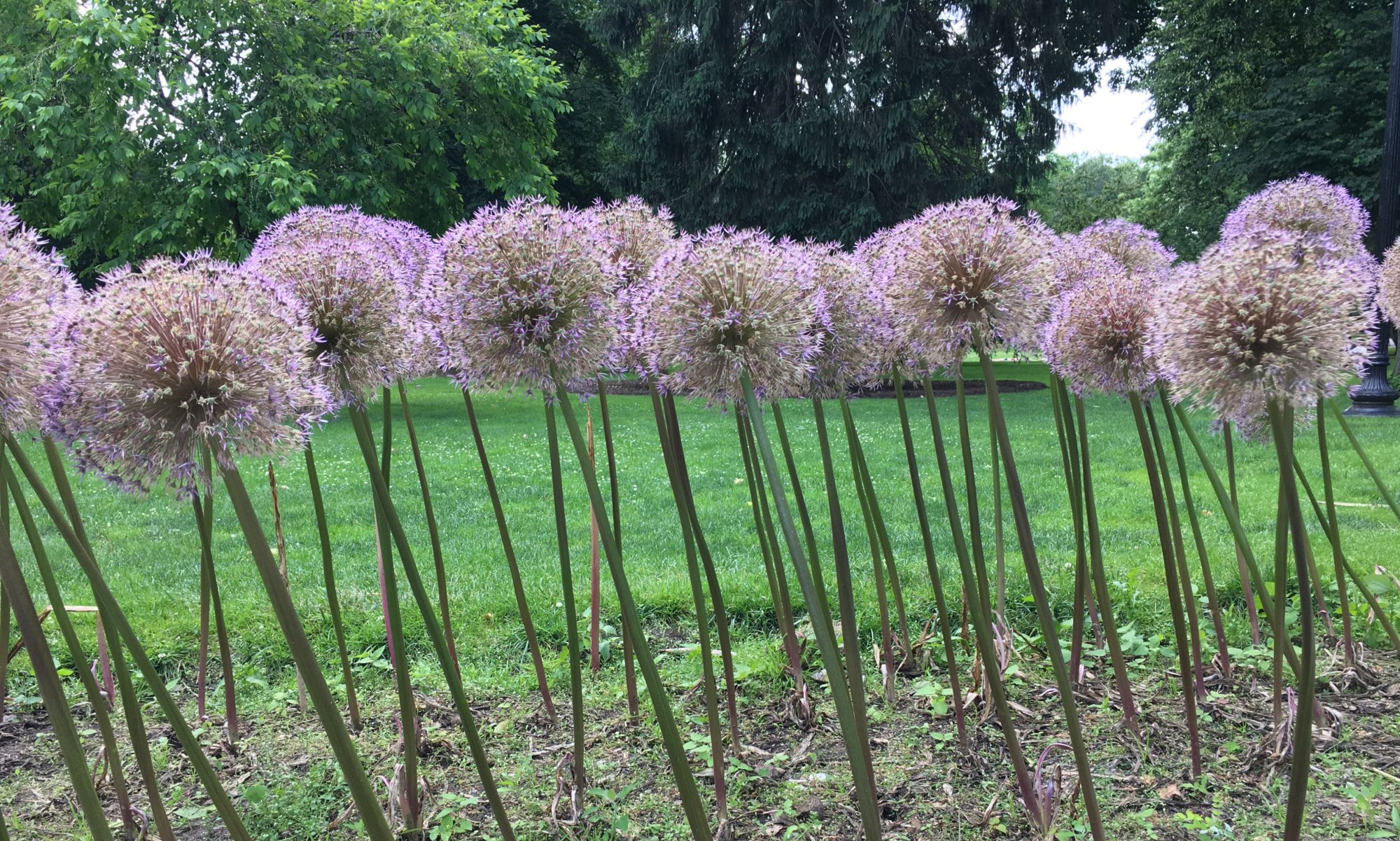
The Spiritual Disciplines: Silence

One of my favorite things to do is take a silent retreat. It is impossible to predict how it will go; they can be both terrifying and peacefully beautiful. The presence of the Lord is both and for me that’s what a silent retreat is all about: seeking God’s Presence.

I’ve tried to take at least one such retreat each year for the last few years. The retreats don’t have to be very long, but they have become welcome times when I can find a place in the year from which to move forward. (I’ve never really been a big fan of January 1st as a fresh start.) Scripture describes time with God to be refreshing: “Repent . . . that times of refreshing may come from the presence of the Lord…” (Acts 3:19-20). I’ve certainly found this to be True.

It seems odd at times to talk about being in God’s Presence as a discipline or spiritual practice; God is after all omnipresent. The Holy Spirit is always with us (John 14:12-13). However, hearing His still, small Voice sometimes does require intentionality. It takes effort to be silent, take the time to listen, and simply marvel at the fact that through Jesus, we can enjoy being with our holy Father. Sometimes it takes silence on our part to appreciate this profound gift.

I wrote about the practice of solitude years ago in a previous blog, TSD: Solitude. Solitude and silence often go together very closely, and often have the same broad goal of connecting with God. However, some of my most profound times of silence have not been in solitude, but in the company of other seekers of God’s Presence. Practicing silence in community is something very sacred, and I don’t have proper words for it, except to encourage you to experience it on a silent retreat for yourself.

Silence as a spiritual discipline implies visiting a place of inner quietness along with and often helped by getting in a quiet outer environment. As I’ve worked for the past year to disconnect from the things which tend to rev up my inner noise, I’ve noticed it’s become a little bit easier to rest. Resting in God’s Presence is something I have struggled with, but it is indeed what God asks of us. Like sheep, we are invited to rest in the care of God our Shepherd in trust that He has our lives in His hands, and that we don’t need to fear (Psalm 23).

Yet, being in God’s Presence, as I mentioned, can be terrifying, or at least something to prefer to avoid. Psalm 90 describes this, “You have set our iniquities before you, our secret sins in the light of your presence” (Psalm 90:8). Nothing is hidden when we come before God and enter His Presence intentionally. Suddenly, we may become acutely aware of our utter failure to hold up our end of the relationship with God, to be perfect as Jesus was. Thankfully, Jesus’ perfection covers us, having allowed us to be in God’s Presence in the first place. We are utterly dependent on Jesus, and in the practice of silence we can become more aware of this fact. “For Christ has entered, not into holy places made with hands, which are copies of the true things, but into heaven itself, now to appear in the presence of God on our behalf” (Hebrews 9:24). We cannot give defense of our sins before God, as we so easily can try to do before people. In God’s Presence, we are completely undone. “Tremble, O earth, at the presence of the Lord, at the presence of the God of Jacob,” (Psalm 114:7). That’s the terrifying bit. The fear of God is a necessary part of relationship with Him.

But the beauty of it is worth that momentary discomfort. (No one said silence was easy!) After experiencing the humility that comes from being in His Presence, comes the incredible love and grace God gives freely and abundantly. His Presence is an expression of love for us; it is where we are transformed and healed. “And we all, with unveiled face, beholding the glory of the Lord, are being transformed into the same image from one degree of glory to another. For this comes from the Lord who is the Spirit” (2 Corinthians 3:18). If you want to be changed, drawing near to God, being in His Presence, is the only way I’ve found leads to real transformation.

Silence is not easy and it takes some intention. But it is a practice, and it is one that can help our relationship with God if we are willing to take the risk. Practice silence in solitude and practice silence with others, but most of all, don’t hold back from all that is awaiting you in God’s Presence.

You make known to me the path of life; in your presence there is fullness of joy; at your right hand are pleasures forevermore” (Psalm 16:11).

And he said, ‘My presence will go with you, and I will give you rest‘” (Exodus 33:14).

Seek the Lord and his strength; seek his presence continually!” (1 Chronicles 16:11).

Thank you for spending some of your time journeying with me. If you haven’t yet, please subscribe to Life with the King, and like & follow the Facebook page; it truly helps me continue writing this blog. Grace and peace.

Praise before Victory

I hold onto the promise of Jesus’ ultimate victory over all the pain and tears in this world. The battles of anxiety and fear often feel futile to me in the moment. I easily lose my perspective of God’s sovereignty in the moment of overwhelm, worry, or feeling powerless. A grateful heart full of praise, even when the feeling or circumstance is anything but hopeful, is how God invites us to respond in the face of every battle. The Kingdom of God goes completely against logic, and worship is a powerful way God invites us to rebel against the ways of this world.

I love that the Bible preserves a story of Judah sending not the strongest of soldiers, but the loudest and most fervent of worshippers, onto the front lines of an actual battle against a “great multitude” (2 Chronicles 20:2). At first, King Jehoshaphat “…was afraid and set his face to seek the Lord, and proclaimed a fast throughout all Judah” (2 Chronicles 20:3). Like last week’s blog talked about with King Asa, the battle odds didn’t look good for God’s people. Jehoshaphat led the people to seek God before acting out of fear, and a resounding victory came from God to His people as a result.

Worth the note that Jehoshaphat’s initial fear was not the problem. Human fear is a legitimate and real emotion that shouldn’t be suppressed, but it’s what we do in the face of it that can lead to problems. Jehoshaphat used fear as a drive to seek the Lord with everything he could, fasting, praying, and declaring God’s character back to Him (2 Chronicles 20:6-12). When we seek the Lord as Jehoshaphat did here, fear doesn’t have to lead to the sin of going our own way to make it go away. Its resolution will instead be the result of relationship with God, knowing His character, and praying for His will to be done. Fear the emotion is a tool, while the spirit of fear, or living in fear, is something very different, “for God gave us a spirit not of fear but of power and love and self-control” (2 Timothy 1:7).

By the Holy Spirit, a Levite named Jahaziel spoke to Judah on the Lord’s behalf, saying that “…the battle is not yours but God’s… . You will not need to fight in this battle. Stand firm, hold your position, and see the salvation of the Lord on your behalf…” (2 Chronicles 20:15c & 17a). What a beautiful picture, to stand firm and hold your position. Not crumbling under fear, but choosing to trust the promises of God. When we praise and worship God, that is what we are doing. Our worship is the act of standing firm in our position of reliance on God. When we worship, we participate in His victory over the world.

Do you need victory in your life over addiction, fear, depression, hardship that is too much to sort out on your own? Praise God. Praise Him before you see a victory in the material world. Worship Him with a grateful heart before you have received what you are grateful for at all. Let your praise and worship go before you in the battle you face today, before your defenses, strategies, or your impulse to control or diffuse tensions. In the face of the battle, do the illogical, unexpected, revolutionary, radical thing and worship God for His victory over every hardship you face. Let your spirit join with His in gratitude and declaration of the truth, that He has already won, and His victory includes the one you need today.

Those who Jehoshaphat sent to sing and praise, saying, “‘Give thanks to the Lord, for his steadfast love endures forever’” (2 Chronicles 20: 21c), began praising before the Lord intervened; as Scripture says, “And when they began to sing and praise, the Lord set an ambush against the men of Ammon, Moab, and Mount Seir, who had come against Judah, so that they were routed” (2 Chronicles 20:22). When we worship out of trust in the Lord, He responds with His victory.

But the hour is coming, and is now here, when the true worshipers will worship the Father in spirit and truth, for the Father is seeking such people to worship him” (John 4:23).

Thank you for spending some of your time journeying with me. If you haven’t yet, please subscribe to Life with the King, and like & follow the Facebook page; it truly helps me continue writing this blog. Grace and peace.

Connection to Jesus

Life is full of distractions, and our 2025 technology seems to have accelerated them to the point of using our own brains against us, to keep us feeding on the unending stream of things being sold, joked about, discussed with reverence or respect, whatever package you prefer them to be in. The algorithms can pinpoint your preferences with all the research behind gambling psychology. We all have so much to contend with to get a quiet moment away from technology. But what happens when we finally find that quiet moment to connect with God?

What about when reading the Bible doesn’t feel dynamic and alive, but instead feels like a chore to check off the list? This is the point I recently reached, and realized my connection with Jesus had dropped out of the interaction entirely when I tried to read the Bible. I knew something was wrong, and needed to get honest about it. I discovered that when reading the Bible became stale to my overstimulated brain, so did my relational connection to Jesus. I needed to repent over the condition of my heart, which had become too cluttered to connect in the ways I’d come to expect or take for granted.

I’m reminded of the parable of the seed found in the Gospels of Matthew, Mark, and Luke, specifically when the seed falls among thorns, but the thorns choke the plants. In Luke, Jesus explains the meaning of the parable to His curious apostles, “The seed [the word of God] that fell among thorns stands for those who hear, but as they go on their way they are choked by life’s worries, riches and pleasures, and they do not mature” (Luke 8:14). I believe we have, are, or will all be in the position of experiencing the thorns in our soil in some season of life. We all have to contend with how we live in the world around us that constantly distracts for gains, fear, and has no problem using lies to spread that fear. It can be easy to fall into worry or numbing with the pleasures available to us in this world just to avoid the feeling or responsibility for a moment.

But here in this same parable, Jesus tells us there is another way. Being good soil is possible for us through Him. Connecting with Him is available to us. To not be distracted from Jesus by the worries, riches, and pleasures of this world actually IS possible. Jesus tells us we will know we are in Him by the crop [of the Fruits of the Spirit] we produce (Luke 8:15). Are we walking in the love, peace, and joy that this world may see as foolish and naive but that comes from Jesus, who sees and acknowledges every tear shed on this earth and has promised to wipe every tear from our eyes? (Revelation 7:17). Are we acting in self control towards our vices by surrendering our weaknesses to Jesus or are we trying to control the vices on our own and giving in to them every time?

Many, many people are distracted in many different ways from connecting with Jesus, and they may even act happy about the way it’s going in their lives. I’ve witnessed many people that have convinced themselves they are content with the way things are. They like the game the world plays and get a thrill in playing along. But I’m not convinced, not for a moment. Deep down in their souls, they know it’s not fulfilling, lasting, or life-giving. It’s merely surviving, not thriving. We were all created to thrive, abiding deeply in connection to Jesus our Savior and King. Nothing else will satisfy. There is no other way.

So today, if you’ve been choked by life’s worries, riches, and pleasures to the point of aiming to please the world or men and not God, I invite you to surrender it all to Jesus. Surrender your life and you will gain it (Matthew 16:25). Friends, there is no other way.

The only way I’ve found to be okay with losing my life, is to take the time in the Bible, His Living Word, to know and trust Jesus. I couldn’t trust Him without knowing Him, and don’t know of anybody who could. To do that takes curiosity, sometimes desperation, to find that there has to be more to life available to us than what the algorithms deliver to our dopamine receptors. Connecting not only with our minds but in our hearts to who Jesus really is, is sacred. Not relying on who pastors or podcasters or friends say Jesus is to them, or who He should be to us, but who He is to us and us alone when we seek Him with all of our hearts–that is special and unique and where real relationship with Him is found. There, in His immeasurable grace and kindness, may we find life and find it abundantly. Amen.

For whoever wants to save their life will lose it, but whoever loses their life for me will find it” (Matthew 16:25).

Thank you for spending some of your time journeying with me. If you haven’t yet, please subscribe to Life with the King, and like & follow the Facebook page; it truly helps me continue writing this blog. Grace and peace.

Falling Awake

Historically, sleep has been one of the biggest struggles in my life. I’d sleep when it was time to be awake, and be awake when it was time for me to be asleep. Since I can remember, I’ve had nightmares of sleeping through my alarm and missing something important (even though I can’t remember one time when I actually did).

I’ve felt like I was running late for my whole life, never feeling like I was calm or collected or fully present when I’d show up to pretty much anything. My soul was stressed trying to catch up to wherever my body was due to be. And I’d beat myself up for it. Why did I have to be that way? So I’ve made myself suffer more than anyone else, and been my own worst enemy too. When I finally matured enough to understand the importance of loving myself, well, I was rudely awakened (pun intended).

But this isn’t really a story about literal sleep. I want to tell the story of being asleep spiritually. Only we know where we are spiritually–that’s a private, intimate understanding between you and God alone. No one keeps us accountable for how much we’ve died to ourselves and surrendered to God today. We experience the consequences of that, certainly. But we don’t have the accountability of others unless we invite them into that journey, and they’re willing to walk with us.

Since my life completely spun out last year, I’ve had no other option but to ask for help. I had to let go of the pride that tried to convince me I could handle it with just me and God. Initially, it was purely a survival move to ask for help, not a spiritual one.

If you’re suffering, and trying to handle things alone, let this be an encouragement to let go of what’s holding you back. Ask for what you need. Needing help is not weak, it’s human. Remember that none of us can do anything on our own anyway. We’re just not as powerful in that way as the world wants us to believe, and that is a relief because it helps to move towards what we authentically are–broken and in need of help and a Savior. And in Jesus, we are given His authority to be more powerful than any powers or principalities in this world; through our weakness He is strong (2 Corinthians 12:10). Lay down whatever you’re holding on to and ask for the help you need to be more fully who you really are, and not what the world wants you to be.

I’d heard about surrendering to God for years, but had convinced myself I didn’t really know how to do that. How was I supposed to find time to surrender to God? I had bills, demands on my time, and a mind that could barely focus or be still without it feeling like torture. How was I supposed to even know what He was saying to me so that I could obey?

Those of you who have walked with the Lord a long time will know that I had drifted from the heart of God and wasn’t putting Him first in my life. It had happened slowly and gradually over the course of several years. I spent less time in prayer, less time in the Scriptures, less time desiring to be in His presence and in worship of Him. I spent more time thinking about my own life, where I wanted it to go and what I wanted to do, and unknowingly started building my own kingdom, like I wrote about last week in Jesus’ Kingdom vs. my kingdom. Spiritually, I wasn’t growing. When I’m not growing in relationship with Jesus, I feel like I’m dying. And I was.

But once I asked for help, and stopped pretending everything was good enough to keep going without any changes, I started to wake up, or to “fall awake.” I started to realize I had been asleep to God’s leading, asleep to the subtle changes that indicated I was growing further apart from His will, and asleep to who He had made me to be. I had been living in a way that had become resigned to the status quo, and just trying to get by. I was too tired, burned out, and stressed to wake up. Until I was simply unable to live like that anymore.

I got accountability, reduced responsibility, and focused on enjoying life again. And soon, God convicted me about surrender. I thought I’d surrendered my life to Jesus many times. I’d even surrendered each area of struggle and sin in prayer at a Freedom conference in 2023. But my life didn’t look different, it just felt more like a trap.

God gave me His whole heart, and had been patiently, kindly waiting for me to give my whole heart to Him too. He never asks us to do anything He hasn’t already done first. I had to give my whole life to Him, not just the parts I was comfortable with. I had to surrender all, just like the hymn says.

For me I’ve learned that surrender means not moving ahead with a decision without praying first and waiting for discernment, peace, and understanding from God. Surrender means not letting fear keep me from driving a car or talking to strangers or being vulnerable in a blog post, not by willpower or unfounded affirmations, but because Jesus is enough for me. He empowers us to lean on Him even as we do things that scare us and are uncomfortable for us and trigger our nervous system to shut down. Even there, I am being taught to trust Him in those moments to never forsake me, and to be strong when I am weak.

Surrender means dying to self daily (see The Serpent’s Question). Surrender for me means trusting God for provision when I can’t provide for myself, and changing my career to be aligned with who He made me to be and furthering His Kingdom in all the ways He has made me able. Surrender ultimately means living freely and lightly (Matthew 11:30).

There’s no quick fix, no way to surrender once and for all. It’s an ongoing, living, breathing relationship with Jesus that sustains us in a life of surrender to Him. And there’s no better life to live, because it leads us to freedom and eternal life with Him, the King of Kings.

So, I’m still working on surrendering everything every day, and will be for the rest of my life. Surrendering my literal sleep, a place where I’ve allowed years of shame to come on me, is one of the areas I’m working on now. But I have immeasurable hope, whereas before my hope had grown dull. God who began the good work He started in us will carry it on to completion (Philippians 1:6), no matter how far we may fall along the way. But once we are awake to His truth and His life, we can continue to choose to stay awake.

May we stay awake to the voice of God, and to the work He is accomplishing in the earth.

But he said to me, “My grace is sufficient for you, for my power is made perfect in weakness.” Therefore I will boast all the more gladly of my weaknesses, so that the power of Christ may rest upon me (2 Corinthians 12:9).

Thank you for spending some of your time journeying with me. If you haven’t yet, please subscribe to Life with the King, and like & follow the Facebook page; it truly helps me continue writing this blog. Grace and peace.

The Spiritual Disciplines: Solitude

For many of us, as we continue to practice social distancing to slow the global pandemic, solitude may be on our minds now more than ever. 

I am currently on Day 11 of self quarantine. I work from home, so the quarantine has not changed my lifestyle that much. However, the spiritual practice of solitude has come into sharper focus for me. In wanting to use this time well and in a healthier place than the uncertain climate might try to dictate, I’ve been asking questions like, “How did Jesus practice solitude, and what does practicing solitude look like for us today?” Because, let’s be real, not many of us can just go walk up a mountain like He did.   

Before getting into it, I think it’s important to note that the spiritual discipline of solitude is not the same as simply “being alone.” Just because you are in quarantine or are isolated in your home doesn’t necessarily mean you are practicing solitude. Solitude is actually about fellowship, and it takes resolve (Mark 1:35), even from Jesus. 

The practice of solitude is about the inner fulfillment and inner peace God has provided. 

Peace is something I for one have been needing to hold on to in these strange days that seem to run together and yet go by slowly. Solitude can heighten our awareness of the peaceful presence of God, and how He is at work in us. Who He is provides, and has already provided, our very fulfillment and peace. It is when we resolve to be there, focus, and connect with Him in solitude that we become aware of it. 

Jesus Himself practiced solitude to draw close to God the Father. In his book, The Ruthless Elimination of Hurry, John Mark Comer wrote that solitude, or the wilderness in the spiritual sense, was actually a place of great strength for Jesus. Comer argues that solitude in the wilderness was actually a good thing as Jesus was being tempted. 

He was “led by the Spirit into the wilderness” (Luke 4:1), which is important to note. Jesus was deliberately alone during His testing period with Satan. Whereas isolation is commonly known to be a place of weakness for individuals, Jesus showed that being alone can be a place of great strength when He overcame all the temptations put before Him. Perhaps Satan missed something when he agreed to test Jesus alone. 

In solitude, you aren’t actually alone; God is present and communicating with you. 

Jesus knew this. He “often withdrew to lonely places and prayed” (Luke 5:16). Even in solitude, Jesus said He was never alone; in John 16:32 He said, “you…will leave me alone. Yet I am not alone for the Father is with me.”

I’ve wondered why Jesus would need to be alone if that was the case. If He is God and God was with Him, what was so important and why was it necessary for Him to be alone? Couldn’t He focus on God in a crowd just as easily? 

But I think we can easily forget that Jesus was also human. He was susceptible to distraction like us. He was stretched to His physical limits and bombarded by the needs of others around Him. He also came to show us the rhythm of a healthy God-honoring life. That included solitude–withdrawing alone to be with God and no one else. 

Solitude makes us more aware that God provides the spiritual strength needed to endure and overcome.

Comer writes that Jesus valued solitude over sleep, at certain points. Solitude must be truly vital to our souls if Jesus Himself had to practice it! Especially now during self isolation or quarantine, it is the perfect time to practice solitude and incorporate it into our rhythm of life if it’s not already part of our routines.  

Again, solitude is about inner fulfillment. It’s a place where we can slow down enough to recognize where we might be grasping for fulfillment apart from God, and pray for His help to let that go. In solitude, we make time and space to remember that true fulfillment comes from God alone. In that way, solitude is just like worship. 

Solitude is a form of worship.    

The wilderness, or a place of spiritual solitude, is a recurring place in the Bible. It is a place of testing (Psalm 106:14), a place of purification (Mark 1:3-4), and a place of strengthening (Matthew 4:1). In the wilderness, all the focus is on God (Deuteronomy 8:15), and people are sustained by Him, lacking nothing (Nehemiah 9:21). 

Jesus started His ministry by first spending forty days and nights alone in the wilderness. 

The wilderness can be a place of refinement, a place of gaining confidence, even for Jesus. For us it could be a place where we learn patience, trust in God, and dependence on Him. In Matthew 6:6 solitude allows for more exclusive focus on God. Matthew 14:23 shows solitude as a place of concentrated prayer. Again in Mark 1:35 it is an intentional place of great fellowship with God. Solitude can be a wonderful help in our spiritual journey. Yet it, or any spiritual discipline, isn’t the point.  

The point isn’t the spiritual practice itself, the point is connecting in relationship with God. 

Like all spiritual disciplines, solitude is a tool. Doing the practice is not the end goal. Connection with God is. Prayer is. Worship and communication is. But solitude can be a wonderful place, as Jesus demonstrated by withdrawing often to practice it. It doesn’t always have to be seen as the means to an end, although learning and growth for what is next often occur there. God shows us that being where we are, right where we are, is part of the journey of life that He takes us each on. It takes faithfulness on our part now with what we’ve been given in order to advance to the next step of our journey.

Solitude, or your own spiritual wilderness, may be a beginning place for something amazing in your life. Press in. Talk to God about what that might be and what He’s teaching you while you’re in the wilderness. 

Jesus is the whole point of solitude.

I encourage you to press into the discipline of solitude. As the world is on hold, may you use this unique time to draw close to Jesus.

The Spiritual Disciplines: Prayer Part II

When it comes to God intervening in our lives, or, “working a miracle,” it can be easy to push the thought aside. After all, there are so many prayers that don’t result in the miracle prayed for; there’s death, loss, illness, and pain all around us, every day in our world. So much so that it can almost sound cruel to talk about miracles. So much so that I hesitate to even write about them. But I’m going to anyway because despite any doubts, God provides reason for genuine hope.   

In Prayer Part I, I shared that prayer is a command, that prayer can be difficult, and that prayer flows with God’s will (and will be answered) when it is done in Spirit and truth. In other words, prayer works when we trust that God hears and responds to requests that align with His loving, healing, merciful, and kind character. In this second post on prayer, I want to highlight the power of praying for a miracle.

Now, maybe you’re asking, “What’s the point of praying for a miracle if God’s going to do what He’s going to do anyway?”

I have asked that question too, and it’s a legitimate question. We’re taught that God is all-powerful, good, and loving. 

Why pray? 

First of all, because God commands it. Philippians 4:6-7 urges us to run to prayer whenever we have a request, or whenever there’s a situation that causes unrest in us. God calls us to thank Him, talk to Him, petition Him, and in turn we can enjoy an unexplainable, wonderous peace, knowing that He is in control, and not us. Also looking at the life of Jesus we see He prayed often, and asked others to pray for Him. If Jesus needed prayer as part of His life, then we certainly do too. 

Second, God hears and responds to prayer. Prayer is a way to communicate with God and build a relationship with Him. He promises in the Bible over and over again that He hears us; here’s just one example: “This is the confidence we have in approaching God: that if we ask anything according to his will, he hears us. And if we know that he hears us—whatever we ask—we know that we have what we asked of him” (1 John 5:14-15).  

“Wait up,” you might be thinking, “we have what we asked of him? What about all the pain and death and suffering mentioned earlier?! I’ve prayed for a lot of that stuff to be taken away and it hasn’t. It’s not as simple as that, and you know it!” 

Exactly right, astute reader. While we don’t have all the answers to why God allows pain, illness, or tragedy to strike, we know that ultimately, because of who He is, all of that WILL be taken away. Maybe not right now, but God asks us to keep faith that He, as the ultimate Healer, will heal all. And sometimes, He does heal right NOW, according to His will. That’s what we call a miracle.

So, we pray because God brings about His own will on earth through our prayers! That’s just how He wanted it. He is not a dictator who acts without anyone’s consent. He invites us to participate with him in doing His will through prayer. All he asks is to have faith that He will do what we ask.

Prayer requires faith. 

When I needed to see a miracle most in my life, I had no faith. Five years ago, I lost touch with God entirely, and there wasn’t a drop of joy left in my soul when I got a call at work. Mom, who was suffering from severe depression, was in critical condition in the ER. That news, on top of the vast emptiness already gnawing me from the inside out, was just too much. 

I don’t remember much besides hyperventilating, pacing, crying, and screaming to God that it wasn’t fair and she didn’t deserve this. After five long, excruciating hours of waiting in the ER, we were brought into a room with the doctor, who offered no hope that Mom would live. 

I started shaking and my mind was just a blur. 

The anxieties and fears of my heart and mind, though all-consuming, were not too big for God. 

Despite my utter lack of faith at that point in my life, I witnessed dozens and dozens of people pouring into that ER waiting room to pray for Mom. I felt numb, just going through the motions of praying because I didn’t know what else to do.

Still, I was stunned at the fervency and faith by which these many strangers prayed aloud for Mom. They were asking for the unthinkable; a miracle. These strangers knew what I didn’t yet know, 

God partners with our faith in prayer.

He works powerfully through our faith in who He is and what He does. My own soul longed to participate in this beautiful phenomenon. I witnessed it that night from the outside, jealous of the faith that I saw pouring out of these generous stranger souls. No effort of my own will could muster up faith in the moment I needed it. I had to rely on others’ faith for this miracle. 

Prayer makes a difference. However, please don’t misunderstand; prayer is powerful because of God’s power, not our own. Again, it’s our faith that makes a difference. I think this is what Jesus meant when He said faith moves mountains (Matthew 17:20).  

2 Corinthians 1:9-11 talks about the power of prayer, “Indeed, we felt we had received the sentence of death. But this happened that we might not rely on ourselves but on God, who raises the dead. He has delivered us from such a deadly peril, and he will deliver us again. On him we have set our hope that he will continue to deliver us, as you help us by your prayers. Then many will give thanks on our behalf for the gracious favor granted us in answer to the prayers of many.”

Through the experience of that terrifying night, I learned that prayer has the power to bring someone from the door of death to deliverance. The “prayers of many” made a difference for Mom. The next day she awoke, and was taken off her ventilator. She came home from the hospital about six weeks later. She made a truly miraculous, full recovery and today is doing better mentally and emotionally than ever before. 

Just as God delivered Paul from this dire situation of deadly peril, God delivered Mom, and brought her from death to life. Even the doctors admitted that it was a “miracle” that she had not only survived, but suffered no lasting damage.

Prayer is powerful. 

Since seeing Mom’s miracle, my faith grew. My ability to believe in prayer was restored, and today I fully believe in healing miracles. It was a process, not an instant jolt of faith, but I couldn’t deny seeing first hand that God is able. I no longer take for granted that I get to take part of God’s healing work on earth through prayer. If you need to see a miracle of healing, take heart! Seek God and He promises you will find Him. “He will respond to the prayer of the destitute; he will not despise their plea” (Psalm 102:17).

He is looking for us to have confidence in Him, and the character He has revealed to us as life-giver, healer, and redeemer. And that’s exactly what a mighty prayer army that came out of nowhere did for Mom and our family, right there in the ER waiting room.

God is a God of miracles.

If you have read this post, know that you’ve already been prayed for. God hears you. Please send me an email if you have specific prayer requests; I’d love to pray for you. 

“‘Have faith in God,’ Jesus answered. ‘Truly I tell you, if anyone says to this mountain, “Go, throw yourself into the sea,” and does not doubt in their heart but believes that what they say will happen, it will be done for them. Therefore I tell you, whatever you ask for in prayer, believe that you have received it, and it will be yours” (Mark 11:22-24).

The Spiritual Disciplines: Prayer Part I

Prayer can sometimes be easy, but for me it’s incredibly difficult at times too. Jesus commanded us to pray (Matthew 5:44, 26:41). He even tells us how to pray (Matthew 6:6-7, 6:9), yet it can still elude us. Distractions of all kinds can so easily get in the way of communicating with God and truly acknowledging His presence. For me it usually takes intention and wholehearted attention to pray, which our fast-paced and often hurried culture does not easily accommodate in our schedules. Prayer is counter-cultural.

I find it fascinating how Jesus completely changed the way prayer was seen and practiced in the culture. He made it go from being something only done in the temple to actually making it go mobile with every believer. This shift happened so long ago in such a different culture that it’s easy to take it for granted, but keeping this in mind has been very helpful to me in thinking about prayer lately. Let’s dive into prayer a bit further, shall we?  

Struggling with Prayer 

For several years of my adult life, I couldn’t pray. Praying was something I had done ever since I can remember growing up. I would pray almost every night and found the prayers prayed in church such as the Lord’s Prayer and the Apostle’s Creed beautiful and meaningful at a young age. Fast forward and I began following my own way, without consulting the Lord much beyond asking, “please help this thing I want to happen work out.” When I got around to praying, the only way I can describe the experience is that my prayers “bounced back.” Like sending an undeliverable email. My words went nowhere and seemed ridiculous as they reverberated back to me. Looking back now, I realize my heart wasn’t in those prayers because I didn’t trust God and wasn’t interested in learning His will. I only thought about my own. At the time though I just didn’t understand; God should hear my prayers no matter what, right?

Digging a bit further in the Bible, I’m not the only one who has felt like their prayers weren’t heard. David wrote, “...my prayers returned to me unanswered…” (Psalm 35:13). Sounds very familiar. But instead of pressing in and seeking God out, I walked away. I stopped trying to pray altogether. I hadn’t embraced the Spirit or the Truth (John 4:23) that is essential for aligning with His will, and again all I was really doing was asking for my own will to work out. I got so far down my own path that it took awhile for me to become open to being found by Him again after getting away from the Truth. When I finally realized I was surrounded by His kindness and mercy, that He never had and never will give up on me, I was simply in awe.  Suddenly, I really, REALLY wanted to talk to God. I became keenly curious about my problems with prayer and started to seek answers.

A Brief History of Prayer 

I’ve freshly rediscovered that prayer used to be associated with a physical location in Jewish culture. The temple in Jerusalem was thought to be the only proper place to pray because it housed the presence of God. Think about that for just a moment: there was a time when people had to travel to a specific place to talk to God! How much worse would traffic be today, am I right? Jesus ushered in a new age of prayer by sending the Holy Spirit to us. The temple of God no longer confined to a physical place, He now dwells within every believer. Jesus gave us the ability to pray from anywhere. We ourselves collectively embody the temple of God, and can now pray anywhere we go, for the Holy Spirit goes with us! 

When Jesus spoke with a Samaritan woman at Jacob’s well, He explained this, “...a time is coming when you will worship the Father neither on this mountain nor in Jerusalem” (John 4:21). Jesus told her about the change in our human interaction with God to be brought about by the Holy Spirit, “the true worshipers will worship the Father in the Spirit and in truth, for they are the kind of worshipers the Father seeks. God is spirit, and his worshipers must worship in the Spirit and in truth” (John 4:23b-24). 

I believe this is the key to the prayer woes I described. I crowded the Holy Spirit out, so how could I be “in the Spirit?” I didn’t trust Him because I didn’t know Him well enough. I didn’t understand the nature of or the history of humanity’s connection to God. And consequently, I didn’t know the Truth about who Jesus is. But God didn’t give up on me, and if you feel this way today, know He hasn’t given up on you either. He can lead us out of the worst despair and into a new place cognitively and emotionally where we can trust Him. Transformation and renewal is possible (Romans 12:2). I know this because prayer miraculously was restored to me, along with many other gifts; joy, hope, peace, and trust, when I fully accepted Jesus.

Paul worked to knit the knowledge of the Holy Spirit into the early church. He spent time writing about the Holy Spirit’s role in the new temple of God within each believer, “Consequently, you are no longer foreigners and strangers, but fellow citizens with God’s people and also members of his household, built on the foundation of the apostles and prophets, with Christ Jesus himself as the chief cornerstone. In him the whole building is joined together and rises to become a holy temple in the Lord. And in him you too are being built together to become a dwelling in which God lives by his Spirit” (Ephesians 2:19-21). I find this a beautiful way to paint the church which has been helpful to hold onto in prayer.

Make no mistake, prayer is not always easy for me, even still. I must constantly remind myself of the Truth, and still constantly remind myself of why I trust Him. Reading Scripture that speaks of His character, reading His promises, reminding myself of who He is and the restoration He continually brings as we walk with Him helps strengthen my desire to pray. Again, it takes intention to connect with the One who loves unconditionally. Reminding ourselves of the depth of His love and grace, even while still sinners (Romans 5:8), makes prayer a natural response to this love. Remembering the Truth, and seeing it fresh every day is the tough part. Friends, if you struggle with prayer I encourage you to seek the Spirit and the Truth. It was key for me in finding a prayer life that was more meaningful, powerful, and God-centered instead of me-centered. May we all be restored and refreshed in prayer as we run and endure this race of life. 

Jesus prayed for us 

We can easily rush past this, but our Bibles actually say that Jesus prayed for us. Not only that, He is still currently praying for us! Jesus prayed for every believer while He was living on the earth, “‘My prayer is not for them alone. I pray also for those who will believe in me through their message” (John 17:20). That’s us, the ones who will believe. And our Bibles also say that in heaven, even today, Jesus continually intercedes for us in prayer, “Who then is the one who condemns? No one. Christ Jesus who died—more than that, who was raised to life—is at the right hand of God and is also interceding for us” (Romans 8:34). How humbling that Jesus is praying for us! What a beautiful promise this is, His love and saving work extending on, far beyond just His time on earth. May we be encouraged to follow Jesus’ example and pray for each other in love. 

For my readers who made it this far and so kindly read my posts, know that I am praying for you. Please send me an email if you have specific prayer requests; I’d love to pray for you. 

Don’t you know that you yourselves are God’s temple and that God’s Spirit dwells in your midst? If anyone destroys God’s temple, God will destroy that person; for God’s temple is sacred, and you together are that temple (1 Corinthians 3:16-17). 

The Spiritual Disciplines: Sacred Reading

I’ve been wanting to get deeper in knowing and understanding God a lot more lately. The more I have learned the last few years, the more I want to learn. But, at the same time I can feel myself getting more and more addicted to my phone, my computer, and my TV. The tension can get maddening. Only when I choose to run to the Lord and shut out everything else do I find real rest from the constant barrage of noise. Making that decision and connecting with Him is not always easy though. Sometimes we may need a little help. 

I want to spend some time talking about the spiritual disciplines on this blog, meaning the practices that Christians have used for hundreds and hundreds of years to help them connect more deeply with God, His Word, and with themselves. I know, “disciplines” can sound boring and dull–they certainly did to me until I finally gave them a chance. I had to get fed up first. At some point I got fed up by this surface-deep world full of distractions, ever-ready to destroy deep connection and intimacy. Just one look at divorce rates and loneliness studies speak to lack of intimacy, the byproduct of our human brokenness. With everything around me pulling me away from intimacy with God, I suspect I’m not the only one who longs for depth of connection to God’s love and presence with us. We need connection, we were made for it, for Him. Now, I’m not saying I am great at spiritual disciplines by any means, because I’m definitely not. I’d still consider myself a beginner, but I want to share a few things that particularly help me tune out the noise and connect with God in hopes that maybe they could help you as well wherever you are in your spiritual journey, whether you’re a beginner to knowing Jesus or a lifelong follower of Jesus.  

The first time I learned about sacred reading, or lectio divina, was several years ago. It sounded way too fancy and complicated to me. But the more I learned, the more intrigued I was. The way I understand it now is a structured way to meditate on one passage of Scripture at a time. It’s a way we can converse with God through His Words in Scripture, as they command us to “Fix these words of mine in your hearts and minds…” (Deuteronomy 11:18). Sacred reading provides those who practice it with structured time and space to allow a passage to sink into our minds and hearts, allowing God room there to speak to us through the passage. Stick with me. It’s really not as mystical as it may sound.

The hardest part for me is starting. 

For me, it’s most helpful to start without any distractions. This is the part that is usually the hardest, because I have a tendency toward racing thoughts and, like many of us, an addiction to content like online videos and podcasts that I am constantly (and oftentimes poorly) managing. But, if I can get past the hurdles of a distracted mind, the rest of the process of sacred reading is incredibly helpful, convicting, humbling, and restorative in fresh and unexpected ways every time. 

God’s Word truly continues to speak to us, sometimes we just need some help. 

That’s where spiritual disciplines come in. Last year, I kept up the discipline for several months, but eventually it faded out of my daily routine. Since then I’ve started and stopped again over and over, but recently I’ve started back up full force, trying to practice daily and trying not to judge myself about missing a day here and there and just keep going. The important thing is showing up as often as we possibly can. 

Even if we’re distracted, even if we’re tired, even if we’re depressed–even there–God sees us and loves us right where we are.  

The practice of sacred reading can also be very powerful in a group setting, but most often I delve into the Word by myself. I’ll give you a picture of what it looks like to try this ancient, sacred practice that’s really quite simple. When I start, I pray first. I check in with God and tell Him what I’m feeling. Then I thank Him for His love and devote my time in the practice to Him. I pray for focus, wisdom, discernment, and an open mind and heart to what He is speaking to me. I ask Him to reveal the true meaning of the passage to me, and to show me what my responsibility is upon receiving His Word. Then, I will choose a passage of Scripture that I want to read. It could be one verse or several, but before I begin I usually will make sure it’s something I won’t mind reading more than once. Sometimes I don’t skim through it first and just start reading where I feel prompted to read; wisdom and truth can come from reading any passage in the Word. 

Then I’ll read the passage through completely, once or twice, slowly. Then I’ll pause and jot down any notes of things I noticed, have questions about, or want to remember for the next pass. Then I’ll read it again even more slowly, taking notice of individual words, sometimes looking up different translations to gain more context for meaning, and I’ll take time to reflect on what I’m thinking, feeling, or sensing with my pen hovering over paper. I’ll write everything down about what I think a verse means, whether I think it’s “right” or not, just to get all my thoughts out. Then I’ll start responding to God, asking Him if I’m on the right track, and telling Him what Scripture has spoken to me. I’m a writer, and a visual learner, so I’m usually writing this prayer out. I end with thanks to Him for His Word, for interacting with me through it. Though it doesn’t happen as often as I’d like, ideally after that I’ll try to take a moment to be still, not saying anything, just resting in God’s presence. 

Friends, this is one of my absolute favorite ways to connect with God. My brain is so used to study and research, to structure, to thinking through everything, that the structure of lectio divina is enough to keep my brain occupied while my heart has time to commune with Jesus. It’s a wonderful balanced practice in that way, and I hope you are encouraged to give it a try! 

When your words came, I ate them; they were my joy and my heart’s delight, for I bear your name, Lord God Almighty” (Jeremiah 15:16). 

For anyone who has been confused when they hear things like “talk with God” or “connect with God,” I understand. I totally was too. I was like, “Uh…you sound completely crazy, way too woo-woo spiritual, no way I’m even touching that,” only to go along with life and still feel disconnected from God and not know what to do about it. By showing you the process of sacred reading, a long-practiced discipline in Christianity, I hope it’s become a little less weird and a little more accessible to you. It’s another way to build your relationship with Jesus, to seek Jesus. This is just one way to get started. There are many spiritual practices and not everyone will connect with this one. That’s okay. I wanted to share it because it’s been exceptionally helpful to me and my relationship with Jesus. If sacred reading just isn’t your favorite, in the coming weeks I plan to share other spiritual disciplines as well. 

Don’t wait, start connecting with Jesus today, in whatever way you can! Coming to Him doesn’t have to be done any certain way or be prescribed by any person or any particular spiritual discipline. The important part is coming to Him. 

Then he taught me, and he said to me, ‘Take hold of my words with all your heart; keep my commands, and you will live’” (Proverbs 4:4).